
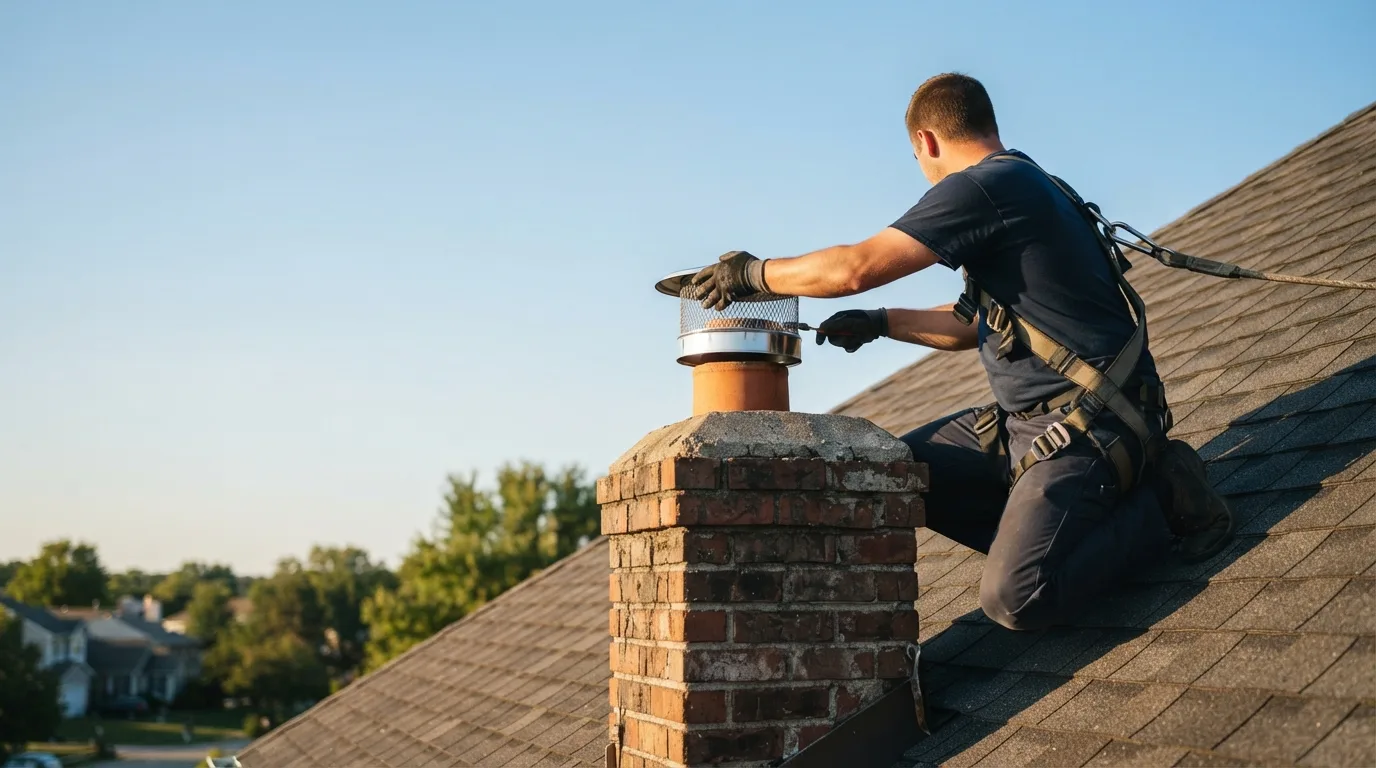
Chimney cap installation in Fort Worth, TX
Get a written condition report with your new cap, not just a cap bolted on top.
to schedule a cap installation with a full crown and flue assessment included.
- CSIA Certified
- Licensed & Insured
- BBB Accredited
- NCSG Member
Signs You Need a New Chimney Cap
Chimney Sweep Pro fixes the chimney cap problems that let rain, animals, and debris into your flue.
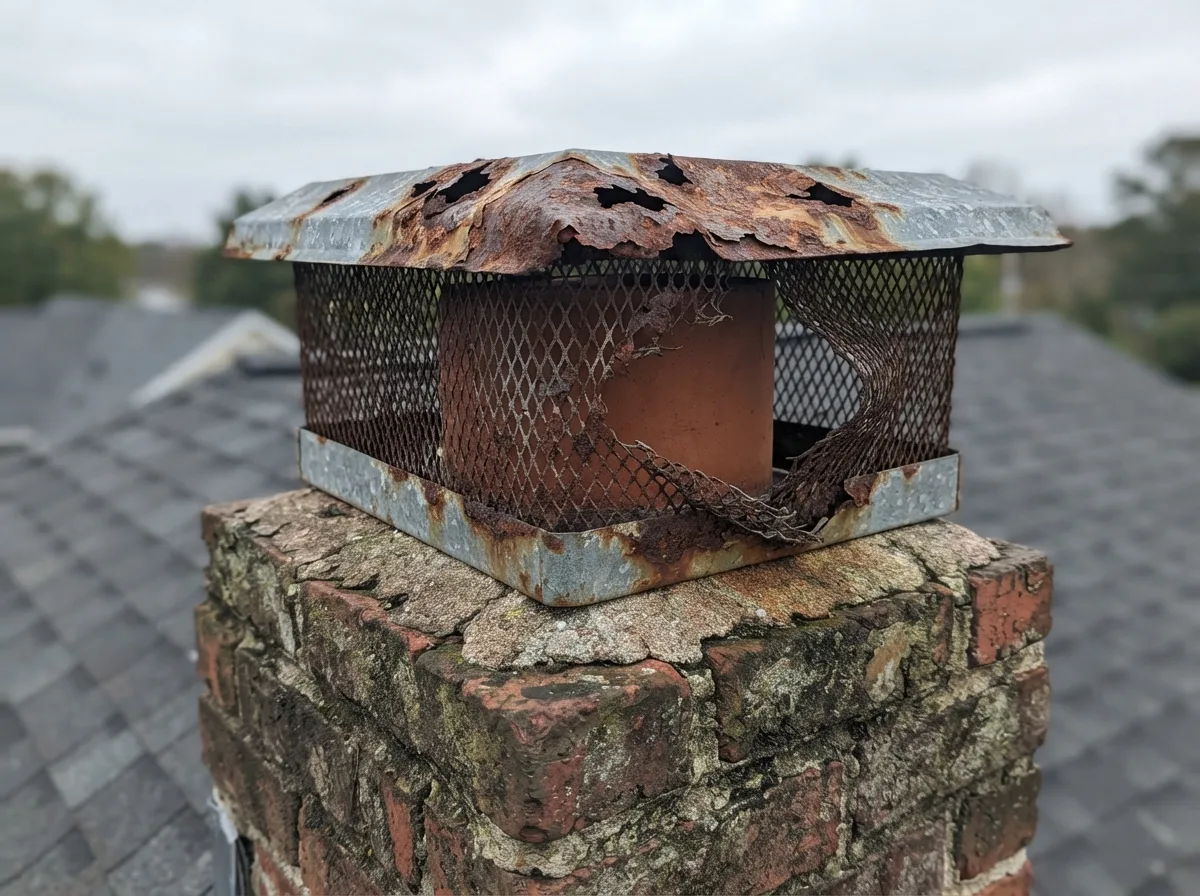
Rust or Holes
Rust-through or visible holes in the cap's metal let rain and debris straight into the flue.
Damaged Mesh
Bent, torn, or missing mesh means animals can get in even with a cap in place.
Loose or Missing Cap
A cap that's tilted, loose, or was blown off in a storm no longer protects the flue at all.
Animals Getting In
Animals getting into the chimney despite having a cap point to a gap or damage you can't see from the ground.
What Chimney Cap Installation Includes
Chimney Sweep Pro assesses your chimney before fitting anything new, then gives you a written record of what we found and installed.
Crown & Flue Assessment
We check the crown and flue condition before fitting anything new.
Accurate Flue Measurement
We measure your exact flue opening so the cap fits securely.
Cap Fitting & Securing
We fit and fasten the cap, sized and matched to your chimney type.
Written Condition Report
You get a written record of your chimney's condition and what was installed.
Chimney Cap Installation Cost in Fort Worth
Chimney Sweep Pro prices chimney cap installation two ways, depending on what you need.
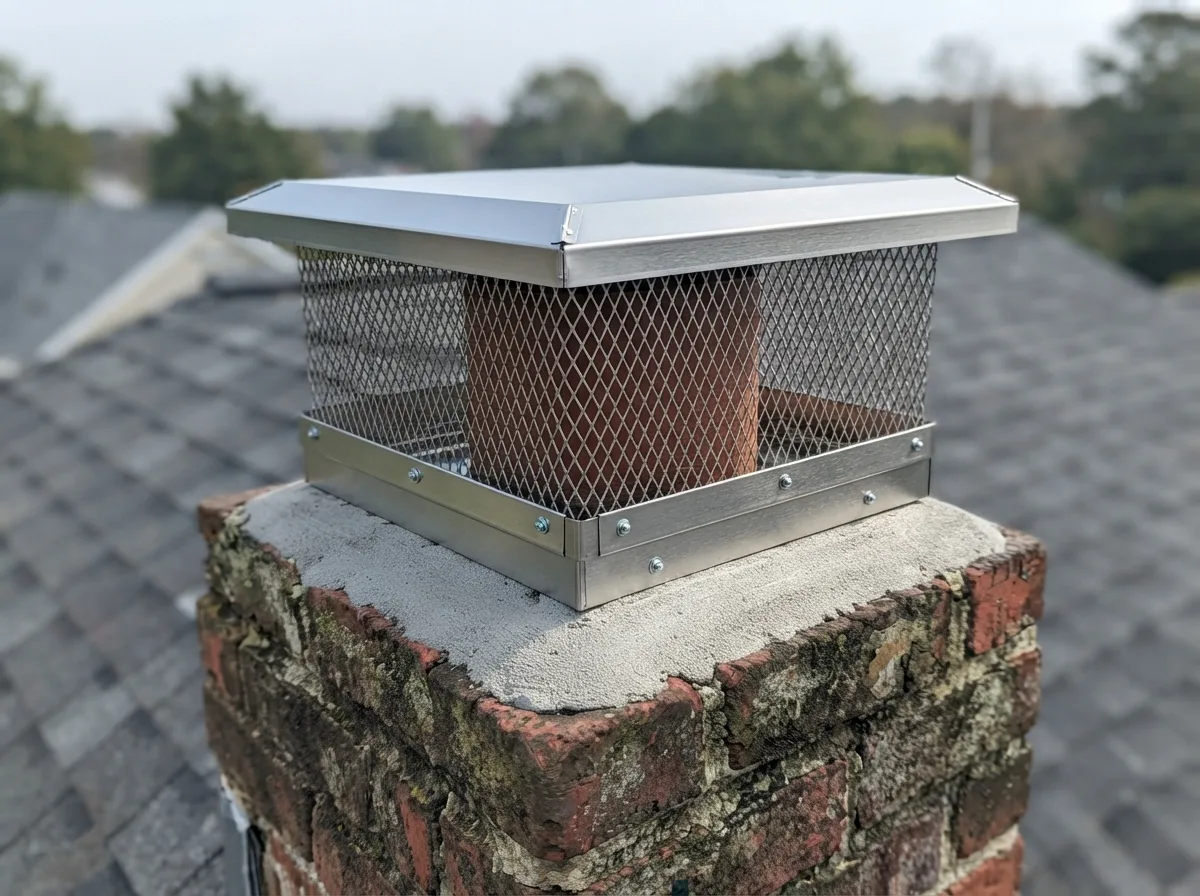
Cap Only
$125-$275
The cap and spark arrestor mesh, sized to your flue. No crown/flue assessment or installation labor.
Full Installation
$350-$600
Crown and flue assessment, flue measurement, cap supply and fitting, spark arrestor confirmation, written report.
What's Included:
- Crown and flue assessment
- Accurate flue measurement
- Removal of old cap, if present
- Cap supply and fitting
- Spark arrestor mesh confirmation
- Written post-installation condition report
What's Not Included:
- Full crown rebuild
- Custom chase cover fabrication, if your chimney needs one instead of a single-flue cap
The technician measures your flue and assesses the crown before quoting. The final price is fixed at that point and given to you in writing before installation starts.
Choosing a Chimney Cap: Material, Mesh, and Style
Chimney Sweep Pro walks you through material, mesh size, and cap style before we install anything.
| Material | Typical Lifespan | Cost Level | Best For |
|---|---|---|---|
| Galvanized steel | About 10-15 years | Lowest | Budget-conscious homeowners in standard climates |
| Stainless steel | Manufacturer ratings of 50+ years | Mid-range | Most Fort Worth homes; resists rust better than galvanized |
| Copper | Decades, develops a weathered patina over time | Highest | Homeowners who want a distinct appearance and the longest service life |
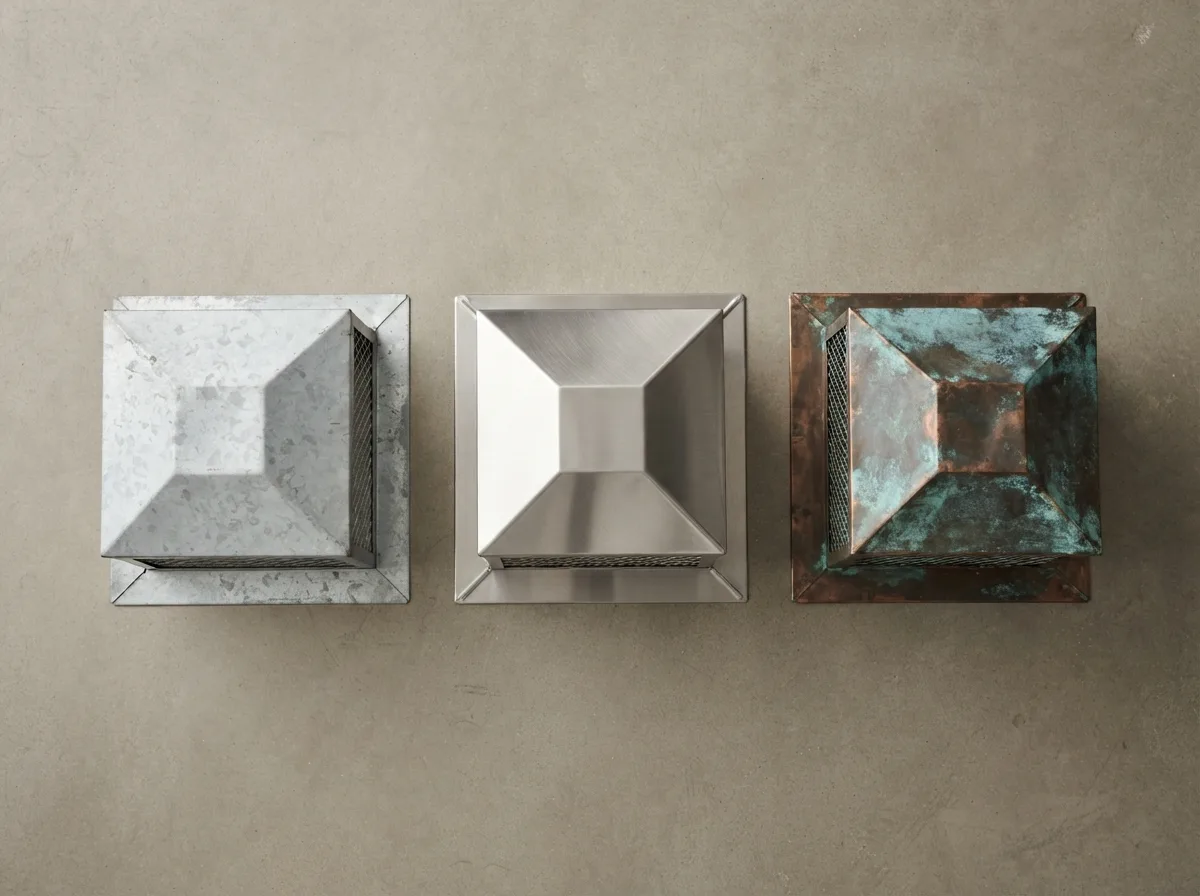
Galvanized steel is a zinc-coated steel. It costs the least but wears faster than stainless steel, especially in humid or wet conditions. Stainless steel resists rust far better and is the most common choice for Fort Worth homes. Copper costs the most and changes color as it weathers, which some homeowners choose specifically for that look.
¾-Inch Mesh
The industry standard. Keeps out birds, raccoons, and squirrels without restricting draft.
⅝-Inch Mesh
Catches smaller embers and is required by law in some wildfire-prone states. Fort Worth and Texas have no mesh-size requirement. Can ice over more easily and restrict draft slightly more.
Single-Flue Cap
Fits directly over one flue opening. Works when the chimney crown itself is solid.
Chase Cover
Protects the entire top of the chimney chase. Needed when the chimney top is deteriorating or multiple flues share one chase, as on many prefab fireplace chimneys.
An open or damaged flue lets rain reach the firebox and damper, and lets animals nest where they can block the flue or bring debris inside. The longer a cap stays missing or broken, the more exposure your chimney gets.
Soon:
The cap is missing, blown off, or badly rusted through, leaving the flue exposed.
Can Wait:
The cap is intact but dated, or nearing the end of its material's typical lifespan.
DIY
A simple round clamp-on cap on an easy-access single flue is sometimes a reasonable DIY job.
Professional
Multi-flue chase tops, steep roofs, and masonry flues that need a cap sized to the flue tile's exact dimensions are jobs for a professional.
A cap blown off by wind or hail is storm damage, which homeowners policies often cover. A cap that simply wore out from age is routine maintenance, which policies generally don't cover. Check your policy or ask your agent.
Ready to schedule a chimney cap installation?
The technician assesses your crown and flue first, then gives you the final price in writing before installing anything.
How a Chimney Cap Installation Visit Works
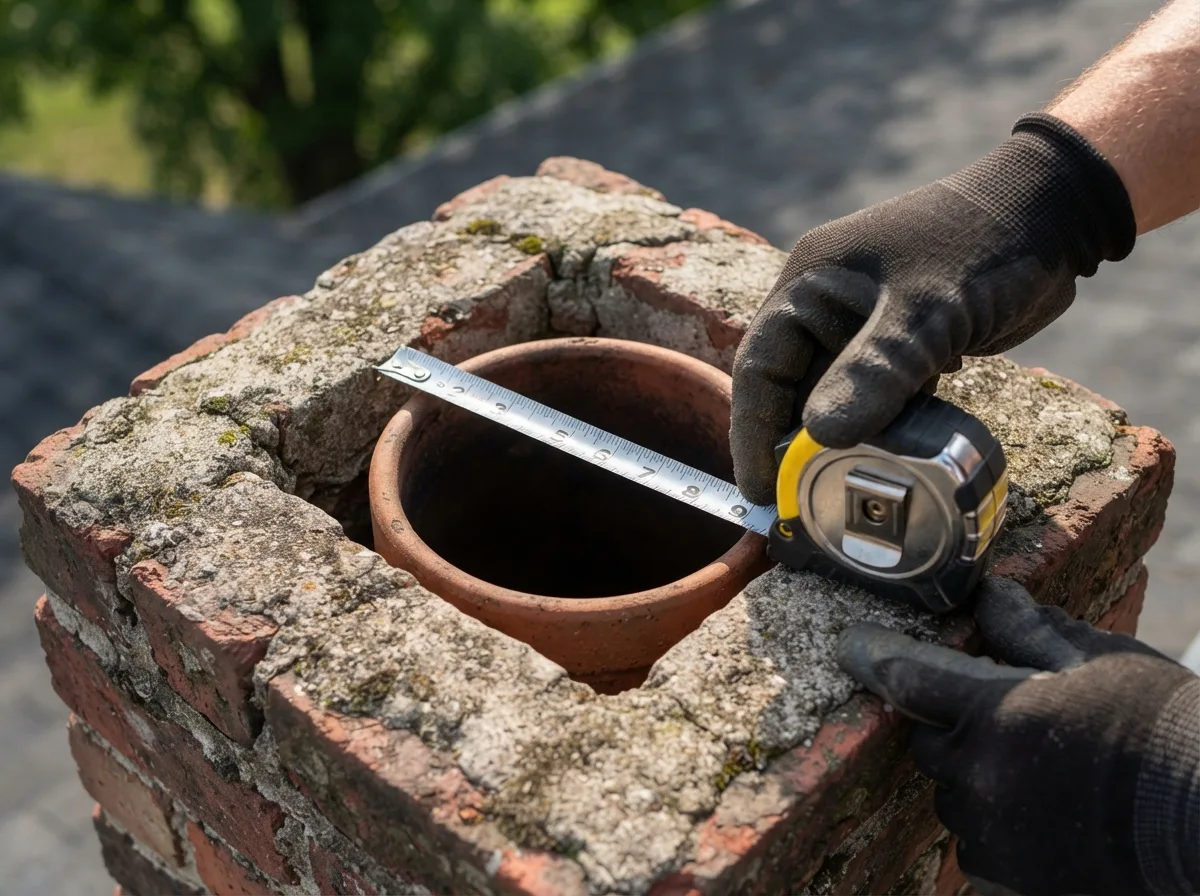
Assess the crown and flue.
The technician checks the condition of both before fitting anything new.
Measure the flue.
An exact measurement makes sure the cap fits securely.
Select the cap.
Material and mesh size are chosen based on what you picked and your chimney type.
Remove the old cap.
If one is present, it comes off before the new one goes on.
Fit and secure the new cap.
The cap is set and fastened to your flue opening.
Confirm the spark arrestor.
The technician checks that the mesh is secure and intact.
Deliver the written report.
You get a written record of your chimney's condition and what was installed.
Chimney Cap Installation for Fort Worth Homes
Chimney Sweep Pro accounts for how Fort Worth homes are built when we select and fit your cap.
Fairmount's Older Masonry Chimneys
Many chimneys in Fairmount are on century-old masonry homes with flue openings that don't match modern standard sizes, so accurate measurement matters more than it does on newer construction.
Prefab Chimneys in Keller and North Richland Hills
Many homes in Keller and North Richland Hills have prefab fireplace chimneys with metal chase tops, where a chase cover is often the better fit than a single-flue cap.
Chimney Sweep Pro installs chimney caps throughout Fort Worth and the surrounding area.
Chimney Sweep Pro, 804 Mustang Dr, Saginaw, TX 76179, (682) 354-6644
See our chimney sweep services for our full range of chimney work.
Chimney Cap Installation FAQs for Fort Worth Homeowners
What does a chimney cap installation from Chimney Sweep Pro include?
A full installation includes a crown and flue assessment, accurate flue measurement, removal of your old cap if present, cap supply and fitting, spark arrestor confirmation, and a written condition report. A cap-only option is also available without the assessment and labor.
How do you decide what size and material cap my chimney needs?
The technician measures your flue to determine the exact cap size, then discusses material options with you based on your budget and how long you want the cap to last. Chimney type (masonry or prefab) also determines whether a single-flue cap or a chase cover fits better. A full chimney inspection covers the crown and flue in more depth if you want a broader check beyond the cap itself.
What is the difference between a chimney cap and a chase cover?
A chimney cap fits over one flue opening and works when the chimney crown is solid. A chase cover protects the entire top of a prefab chimney chase, which is needed when the top itself is deteriorating or several flues share one chase.
How long does a chimney cap installation take?
Most chimney cap installations, including the crown and flue assessment, are completed in a single visit. Call (682) 354-6644 to schedule yours.
How much does chimney cap installation cost in Fort Worth?
Chimney Sweep Pro charges $125-$275 for a cap-only option, and $350-$600 for a full installation with a crown and flue assessment, measurement, fitting, and a written report. The technician confirms your exact price in writing before work starts.
Which Fort Worth-area neighborhoods do you serve for cap installation?
We install chimney caps throughout Fort Worth, including Fairmount, Keller, and North Richland Hills, among other surrounding areas. Older masonry homes and newer prefab chimneys both need caps sized to their specific flue or chase, which we measure on-site.
What is the best material for a chimney cap?
Stainless steel is the best all-around choice for most Fort Worth homes. It resists rust better than galvanized steel and costs less than copper, with manufacturer lifespan ratings of 50 years or more. Galvanized steel suits a tighter budget, and copper suits homeowners who want a distinct, weathered appearance. The Chimney Safety Institute of America publishes homeowner guidance on chimney components and maintenance if you want to read further.
What mesh size does a chimney cap need?
Three-quarter-inch mesh is the industry standard and the right choice for most homes, including those in Fort Worth, since Texas has no mesh-size requirement. Five-eighths-inch mesh catches smaller embers and is required by law in some wildfire-prone states, but it can ice over more easily and restrict draft slightly more. NFPA 211 sets the national spec for how spark-arrestor mesh has to be sized.
How long does a stainless steel chimney cap last?
Manufacturers commonly rate stainless steel chimney caps at 50 years or more, compared to about 10-15 years for galvanized steel. Actual lifespan depends on local weather exposure and installation quality. A written condition report at installation gives you a record to compare against later.
What are the signs a chimney cap needs replacing?
Look for rust-through or holes in the metal, bent or missing mesh, a cap that's loose or was blown off in a storm, or animals getting into the chimney despite having a cap. Any of these left unaddressed lets rain, debris, or animals reach the flue.
How does a chimney cap protect against downdrafts?
A chimney cap's design redirects wind up and over the flue opening instead of straight down it, which cuts down on smoke and odors being pushed back into the house. It does this while still letting normal draft carry smoke and combustion gases out.
Chimney cap installation in Fort Worth starts with one call.
A missing or damaged cap leaves your flue exposed the longer it goes unaddressed.