
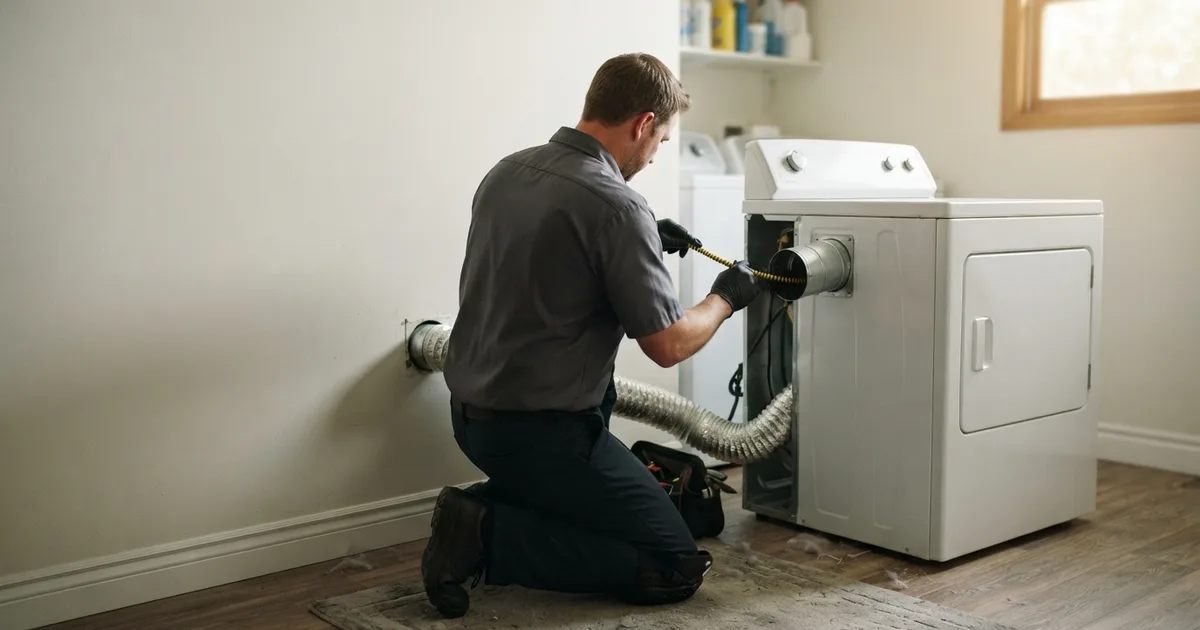
Airflow-Tested Dryer Vent Cleaning Fort Worth, TX
Chimney Sweep Pro clears clogged dryer vents throughout Fort Worth, TX, and tests the airflow before and after so you know the blockage is actually gone.
- CSIA Certified
- Licensed & Insured
- BBB Accredited
- NCSG Member
Common Dryer Vent Problems We Fix in Fort Worth
Chimney Sweep Pro fixes the dryer vent problems that slow your laundry down and put your home at risk.
Slow-Drying Loads
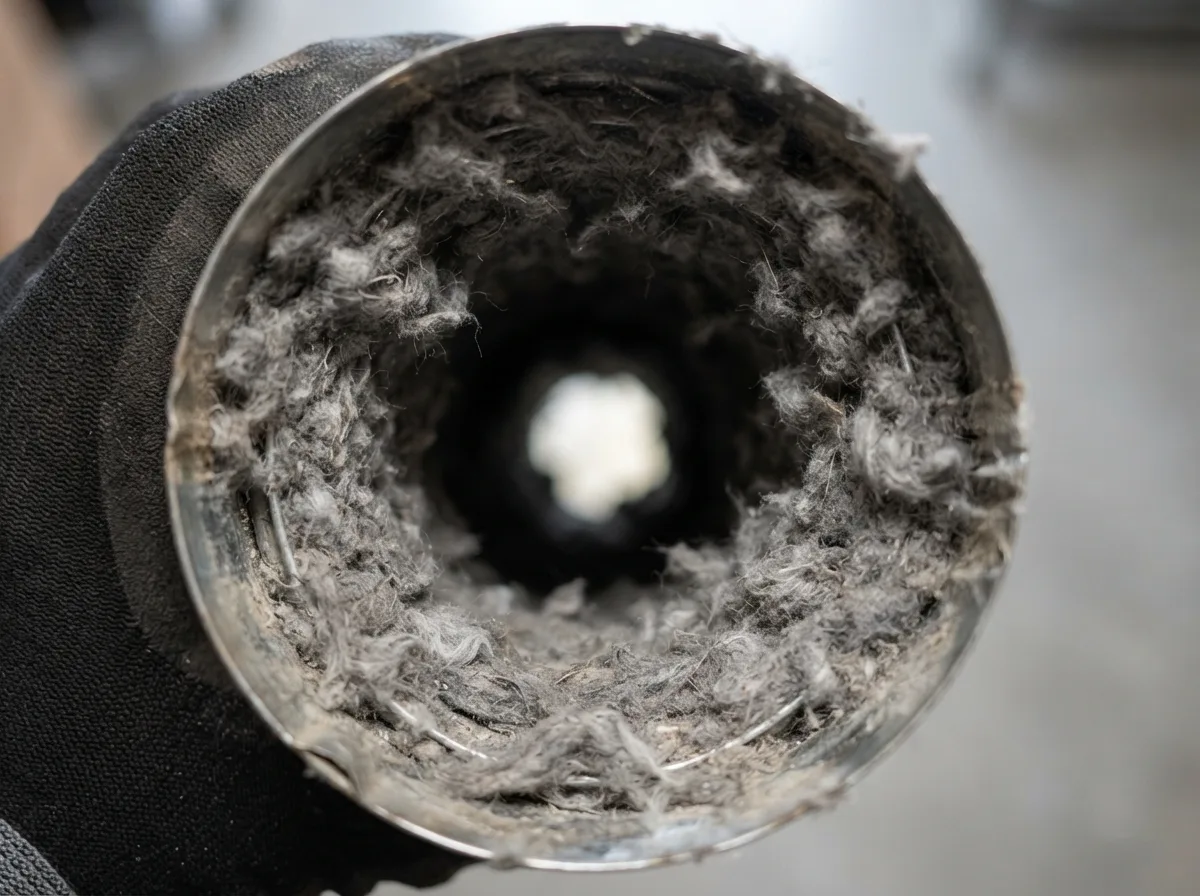
A normal load needs two cycles to dry. This is the most common sign of a restricted vent.
Overheating Dryer
The dryer or laundry room feels hot to the touch. Trapped air has nowhere to go.
Burning or Musty Smell
Clothes come out smelling off. Lint sitting near the heat source is the usual cause.
Blocked Exterior Flap
The vent hood flap barely opens, or lint collects around it. Airflow is restricted at the exit.
How Chimney Sweep Pro Cleans Your Dryer Vent
Chimney Sweep Pro clears the full vent run and proves it's clear before we leave.
Airflow Testing
We measure airflow at the exit before and after cleaning, so you see the difference.
Full-Run Cleaning
We clean the entire duct, from the dryer connection to the exterior exit, roof exits included.
Exit Hood Check
We inspect the hood and flap at the exterior exit for damage or blockage.
Photo Documentation
We photograph the vent and exit and walk you through what we found.
Dryer Vent Cleaning Cost in Fort Worth
Chimney Sweep Pro prices dryer vent cleaning by three tiers, based on your vent's length, bends, and access.
Simple
$99
Short, straight vent, up to 12 ft, easy exterior access
Standard
$110-$140
Longer run or harder access, no roof needed
Complex
Up to $350
Over 15 ft, several bends, stacked units, or roof access
What's Included:
- Airflow test at the exterior exit
- Full-run cleaning, dryer connection to exterior exit
- Exit hood and flap check
- Second airflow test after cleaning
- Photo walkthrough of what was found
- Cleanup of removed lint
What's Not Included:
- Duct or exit hood repair
- Bird or animal nest removal (see chimney animal removal)
We measure your vent and confirm the price in writing before cleaning starts.
Should You Clean, Repair, or Replace Your Dryer Vent?
Chimney Sweep Pro tells you which one your vent needs before we quote anything.
| What We Find | What It Means | Next Step |
|---|---|---|
| Intact duct, lint buildup, flap opens | Lint is the only restriction | Cleaning |
| Crushed or kinked transition duct behind the dryer | Air can't pass even after cleaning | Replace the transition duct, then clean |
| Separated joint in the wall or attic | Lint and hot air escape into the space around the duct | Repair the joint, then clean |
| Broken or missing exit hood, or a stuck flap | The exit can't open fully or keep birds out | Replace the hood, then clean |
| Run over the code length, or many bends | Lint collects faster and airflow stays limited | Cleaning helps, so ask the technician about a shorter route |
Stop Now:
Burning smell or dryer too hot to touch. Smoke or flames — get out, call 911.
Book Soon:
Loads need two cycles, or the laundry room runs hot.
Can Wait:
No symptoms — time for your yearly cleaning.
DIY
A short, straight, easy-to-reach vent can be cleaned yourself with a vent brush kit and a vacuum.
Professional
Roof exits, damaged duct, and gas dryers are jobs for a professional.
A cleaning is routine maintenance, and homeowners policies generally don't pay for routine maintenance. Whether a dryer fire is covered depends on your policy, so check yours or ask your agent. The airflow readings and photos from your visit record what was done and what was found.
Ready to book a dryer vent cleaning?
The technician tests your airflow first, then gives you the final price in writing before any cleaning starts.
How a Dryer Vent Cleaning Visit Works
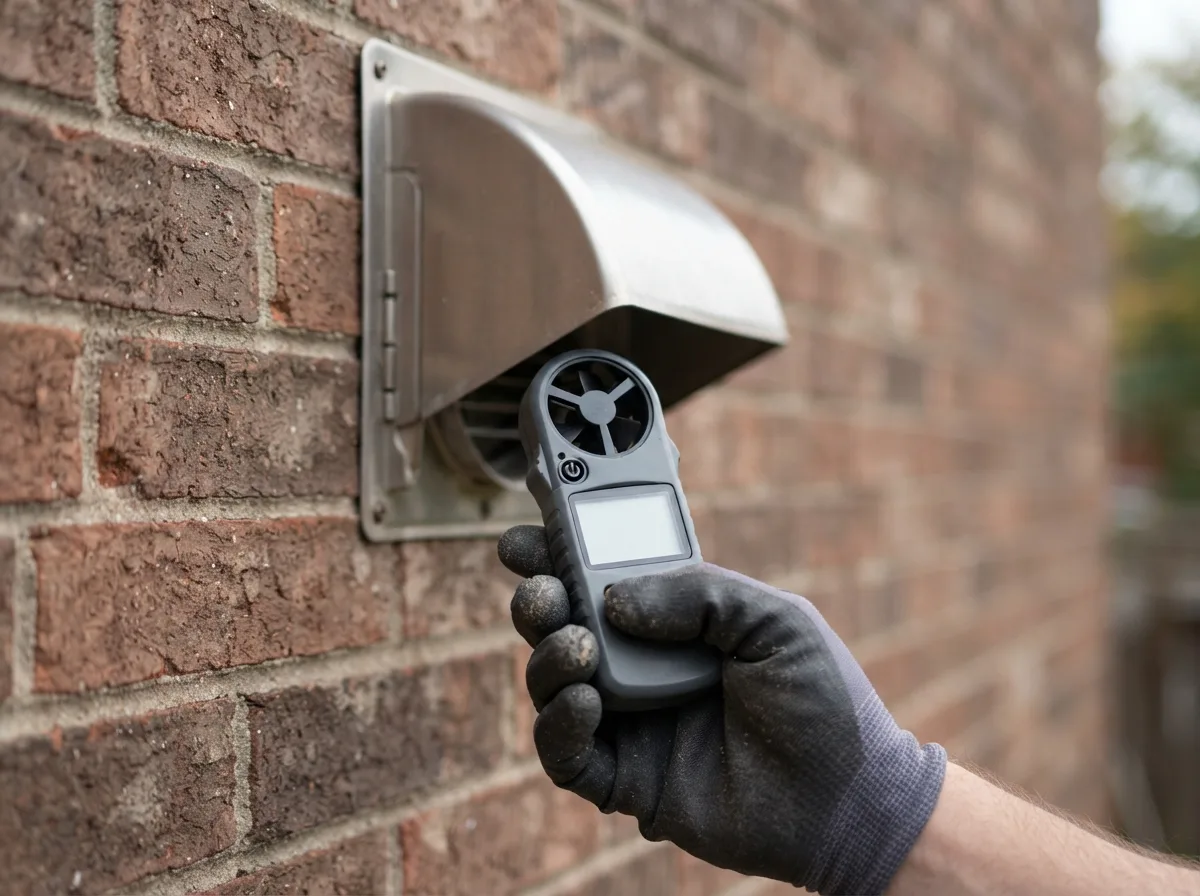
Test the airflow.
The technician runs your dryer and measures the airflow at the exterior exit.
Set the price.
After measuring the run and checking the exit, the technician gives you the final price in writing.
Photograph the starting point.
Photos show the vent and exit before any cleaning.
Pull the dryer out.
The technician disconnects the dryer from the duct.
Clean the full run.
The cleaning covers the duct from the dryer connection to the exterior exit, roof exits included.
Check the exit.
The technician inspects the hood and its flap.
Test the airflow again.
The dryer is reconnected, the airflow is measured a second time, and the technician compares the two readings with you.
Photograph and walk through.
After photos of the finished vent, the technician explains what was found and cleans up the lint.
Dryer Vent Cleaning for Fort Worth Homes
Chimney Sweep Pro accounts for how Fort Worth homes are built when we clean your vent.
Two-Story Homes & Roof Exits
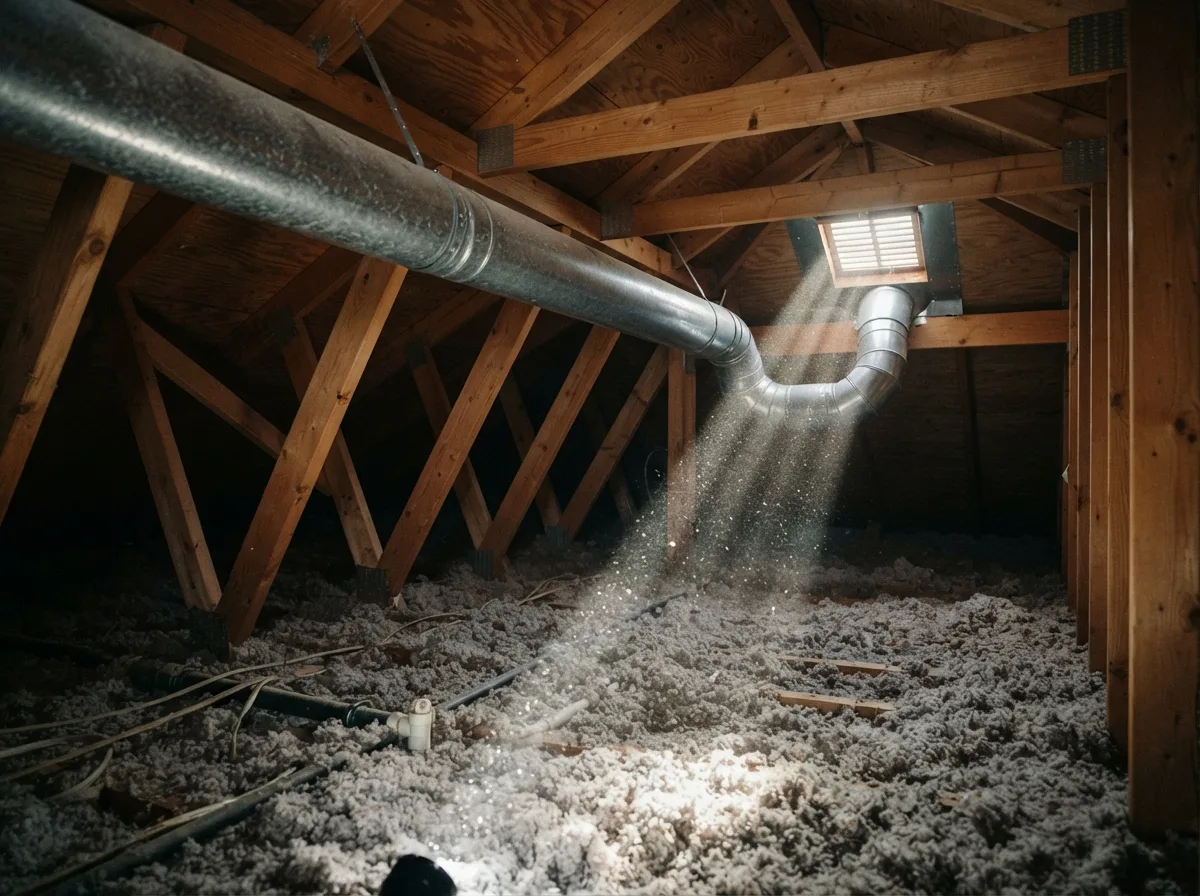
In two-story homes, the laundry room is often upstairs, and the duct may run through the attic to a roof exit. Roof exits need roof access, which is why they sit in the complex price tier. Attic runs are also hard for you to inspect, so a partial blockage can go unnoticed for years.
Fort Worth's Duct Length Code
Fort Worth's adopted 2021 residential code caps the exhaust duct at 35 feet, and each elbow reduces that allowance. The Fort Worth Building Inspection Division enforces the building codes. Longer runs and more bends give lint more places to settle, which is why they clog faster.
Chimney Sweep Pro cleans dryer vents in Fort Worth and in the nearby cities of Saginaw and Keller.
Chimney Sweep Pro, 804 Mustang Dr, Saginaw, TX 76179, (682) 354-6644
We also handle chimney work; see our chimney sweep services.
Dryer Vent Cleaning FAQs for Fort Worth Homeowners
What sets your dryer vent cleaning apart from a quick brush-out?
We clean the entire run from the dryer connection to the exterior exit, roof exits included, instead of only the section near the dryer. Airflow is measured at the exit before and after, and the final price is set in writing before cleaning starts.
How do I know my dryer vent is actually clear after cleaning?
The technician measures airflow at the exterior exit with your dryer running, both before and after cleaning, and shows you the two readings. Photos of the vent and exit document what was found. A higher reading after cleaning shows air is moving through the run again.
What does dryer vent cleaning remove that the lint trap misses?
The lint trap catches only part of what your clothes shed. The rest travels through the transition duct and the exhaust duct and settles on the duct walls and at every elbow. Cleaning removes that buildup along the whole run, which emptying the trap never reaches.
How much does dryer vent cleaning cost in Fort Worth?
Dryer vent cleaning costs $99-$350 with Chimney Sweep Pro. A short, straight vent with easy access is $99, longer or harder-to-reach runs are $110-$140, and long vents with several bends, stacked units, or roof access run up to $350. Call (682) 354-6644 to book.
Why does a roof exit change the price of dryer vent cleaning in Fort Worth?
A roof exit needs a technician to work on the roof, which adds time and safety steps compared with a side-wall exit reached from the ground. That is why roof access places a vent in the highest price tier, which runs up to $350. The final price is set in writing before cleaning starts.
Which cities near Fort Worth do you serve for dryer vent cleaning?
We clean dryer vents in Fort Worth and in the nearby cities of Saginaw and Keller. The service, the pricing tiers, and the airflow tests are the same in each. If your home is outside those cities, ask when you book whether we can schedule the visit.
How long can a dryer vent be under Fort Worth's residential code?
Fort Worth's 2021 residential code measures the 35-foot limit from the transition duct to the exterior exit, and the limit shrinks for each elbow. The transition duct behind the dryer can be up to 8 feet and must be a listed type. A run over the limit stays restricted even when clean.
How often should a dryer vent be cleaned?
Clean your dryer vent once a year, which matches NFPA safety guidance. Clean it every six months if you run more than five loads a week or have shedding pets. A long run with several bends also calls for more frequent cleaning. Empty the lint trap after every load.
Why is my dryer taking two cycles to dry a load?
Wet air from the dryer has to leave through the vent. When lint narrows the duct, the moist air stays in the drum, so clothes stay damp and the dryer runs longer. Extra run time raises your energy use and wears the machine. If airflow tests normal after cleaning, the dryer itself needs service.
How does a clogged dryer vent start a fire?
Lint is a dry, fine fiber that ignites easily. A blocked vent leaves hot air and lint packed near the dryer's heat source instead of carrying them outside. In NFPA's report on 2010-2014 data, failure to clean was the leading factor in dryer fires at 31%.
How can I clean my dryer vent myself?
Unplug the dryer, pull it out, and disconnect the duct. Push a dryer vent brush through the duct from both ends where you can reach, vacuum the loosened lint, and reconnect. Check that the exterior flap opens when the dryer runs. Leave roof exits, damaged duct, and gas dryers to a professional.
Dryer vent cleaning in Fort Worth starts with one call.
A clogged vent gets worse the longer it runs, and the airflow test shows exactly where yours stands.