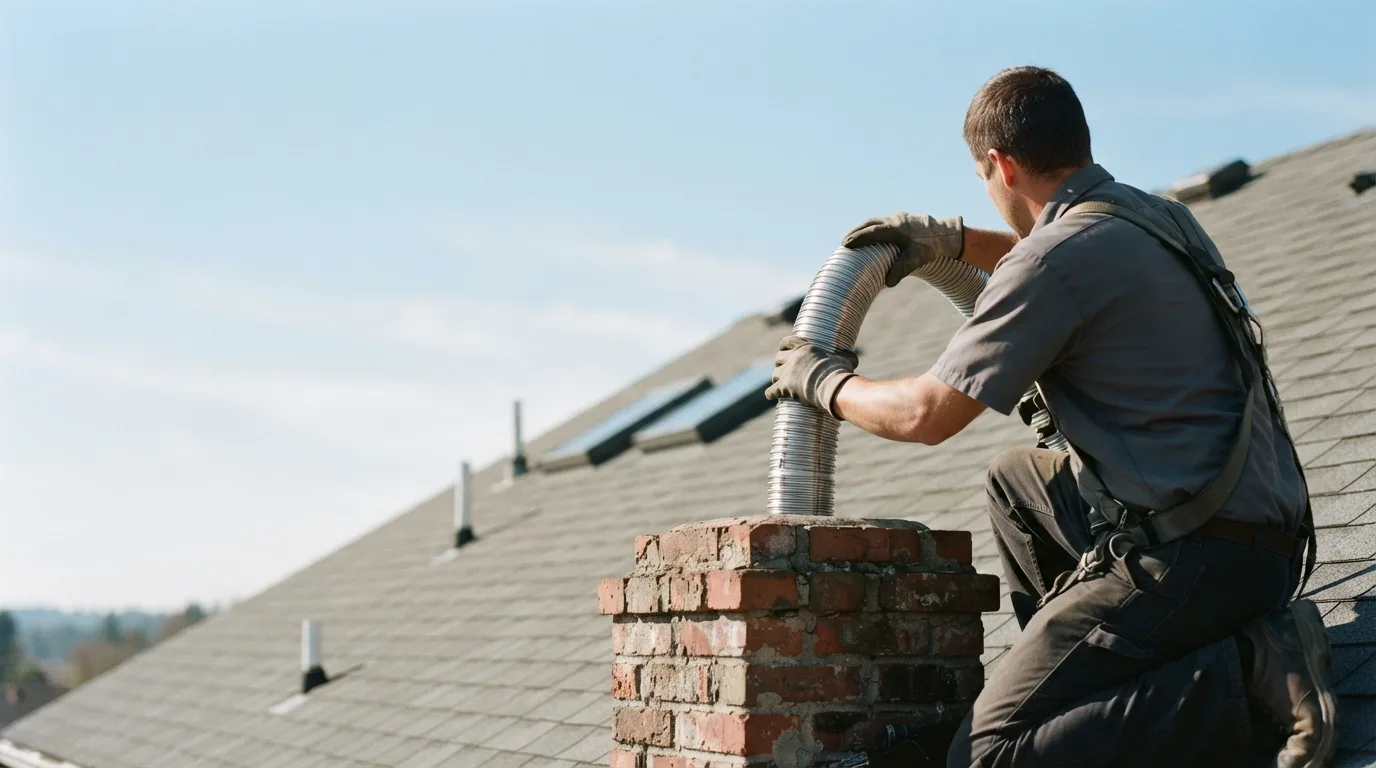
Chimney relining in Fort Worth, TX
Get a liner matched to your flue and fuel type, with written proof it meets code.
to schedule a chimney relining with an inspection of your existing flue included.
- CSIA Certified
- Licensed & Insured
- BBB Accredited
- NCSG Member
Signs You Need Chimney Relining
Chimney Sweep Pro fixes the liner problems that let heat and combustion byproducts reach your chimney's masonry.
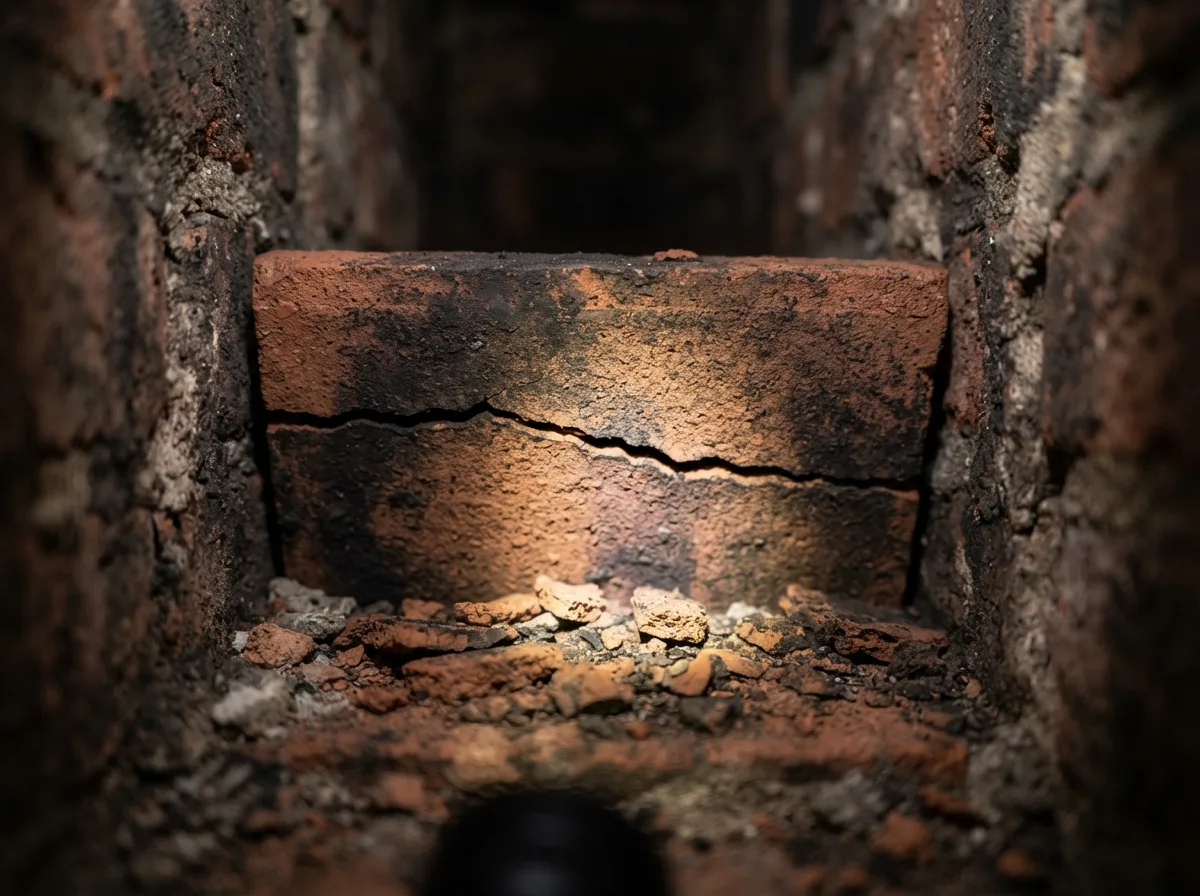
Cracked or Flaking Tile
Visible cracks, gaps, or flaking pieces of tile in the flue mean the liner is no longer sealing properly.
Chimney Fire Damage
Even a small chimney fire can crack or weaken the liner, leaving it less protective than before.
Smoke or Odors Backing Up
Smoke or odors coming back into the room instead of drafting out point to a liner or draft problem.
Fuel or Appliance Conversion
Converting to a new fuel type or appliance often requires a liner sized differently than your current one.
What Chimney Relining Includes
Chimney Sweep Pro inspects your flue first, then installs a liner matched to your chimney and fuel type.
Flue Inspection
We check the existing liner's condition and the flue's shape before recommending anything.
Liner Sized to Your Chimney
We size the liner to your flue and fuel type, not a one-size-fits-all fit.
Sealed to the Smoke Chamber
We seal the liner where it meets the smoke chamber, so there are no gaps.
Written Warranty Documentation
You leave with written documentation proving the work meets code.
Chimney Relining Cost in Fort Worth
Chimney Sweep Pro prices chimney relining by your flue's height, diameter, and access.
$950-$2,500
Standard stainless steel liner installation, most jobs completed in a single visit.
- Flue height: a taller chimney needs more liner material and more labor time.
- Liner diameter: the liner must be sized to your flue and appliance, and larger diameters cost more.
- Access and offsets: a flue with bends or an offset takes longer to line than a straight run.
- Insulation: some installations require insulation wrapped around the liner, which adds material and labor.
- Old liner removal: if an existing clay tile liner has to be broken out before a new one goes in, that adds a separate step.
What's Included:
- Inspection of the existing flue
- Liner sized to your flue and fuel type
- Insulation where required
- Sealing to the smoke chamber
- A draft check after installation
- Written warranty documentation
What's Not Included:
- Full crown repair or rebuild
- Cap replacement, if your chimney needs a new one
The technician inspects your existing flue before quoting. The final price is fixed at that point and given to you in writing before work starts.
Choosing a Liner: Flexible, Rigid, or Clay Tile
Chimney Sweep Pro walks you through liner type, grade, and removal before we install anything.
| Liner Type | Best For | Handles Bends or Offsets? |
|---|---|---|
| Flexible stainless steel | Most masonry chimney relines, including older chimneys with irregular flues | Yes |
| Rigid stainless steel | Perfectly straight flues only | No |
| Clay tile | Original construction lining; rarely reinstalled during a reline | No |
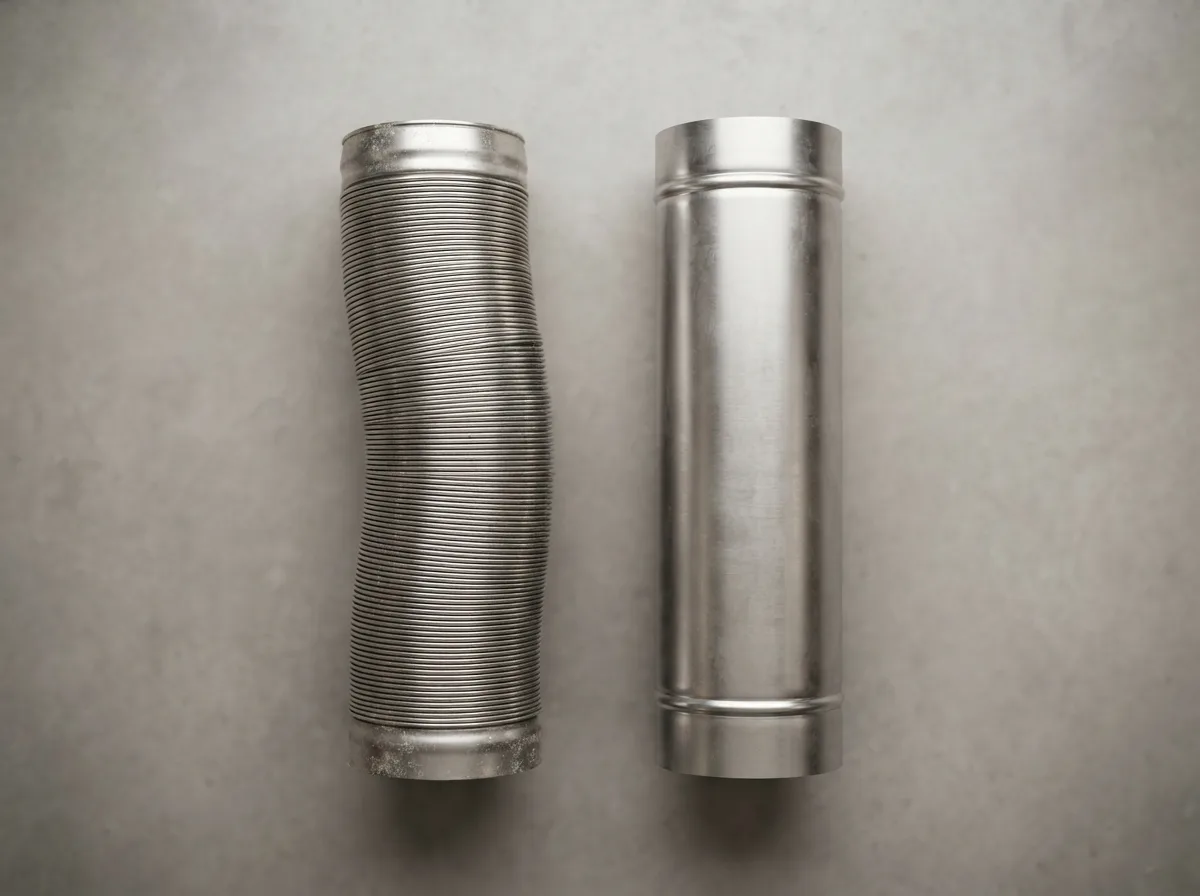
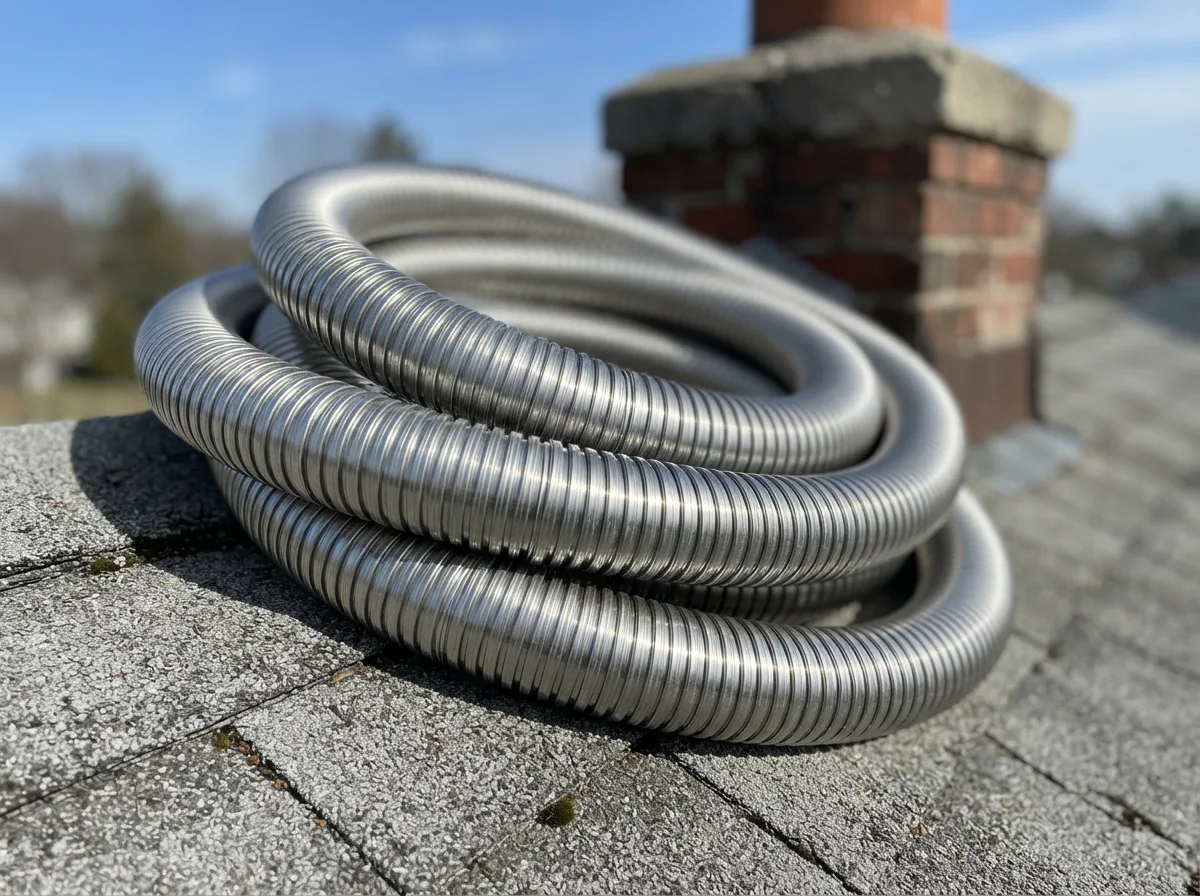
Flexible stainless steel liner is the most common choice for relining an existing masonry chimney, because it can be threaded through bends, offsets, or an out-of-round flue that a rigid liner can't pass through. Rigid stainless steel works only in a flue that runs perfectly straight from top to bottom. Clay tile is what most original chimneys were built with, but it's rarely used to reline a chimney, since a cracked or deteriorated clay tile liner is usually the reason a reline is needed in the first place.
Liner Grade by Fuel Type
Stainless steel liners come in different grades. As general guidance, 316Ti stainless is commonly used for wood-burning and other solid-fuel appliances, while 304 stainless is commonly used for gas appliances. Your technician confirms the right grade for your specific appliance during the flue inspection, since appliance type and manufacturer specifications both factor in.
Removing an Old Clay Tile Liner
If your chimney currently has a clay tile liner that's cracked or deteriorated, it usually has to be broken out and removed before a new steel liner can be installed. This adds a step to the process and affects the price, since removing tile and mortar from inside a flue takes more time than installing into an already-open flue.
A damaged liner lets heat and acidic combustion byproducts reach the masonry directly. Over time, this can lead to mortar deterioration, cracked masonry, and a greater chimney fire risk. A liner damaged in one chimney fire is also more vulnerable in a second one.
Soon:
A chimney fire has occurred, or an inspection found a cracked or damaged liner.
Can Wait:
The liner is intact, and you're planning ahead for a fuel conversion or appliance upgrade.
Chimney relining isn't a DIY project. The liner has to be sized correctly to your flue's cross-section and your appliance's output to meet code and draft properly. A misjudged size can cause poor draft or a safety problem that isn't obvious until it causes a bigger issue.
Relining needed because of chimney fire damage is sometimes covered under a homeowners policy, since it stems from a specific damaging event. Relining for routine deterioration or a planned fuel conversion generally isn't covered. Check your policy or ask your agent.
Not sure if your liner needs replacing? A chimney inspection checks your liner's condition along with the rest of your chimney, and tells you clearly whether relining is needed.
Ready to schedule a chimney relining?
The technician inspects your flue first, then gives you the final price in writing before work starts.
How a Chimney Relining Visit Works
Inspect the existing flue.
The technician checks the current liner's condition and the flue's shape before recommending anything.
Measure for liner size.
The flue's diameter and your appliance's output determine the correct liner size.
Remove the old liner, if needed.
A deteriorated clay tile liner is broken out and removed before the new liner goes in.
Insulate where required.
Insulation is wrapped around the liner if your installation calls for it.
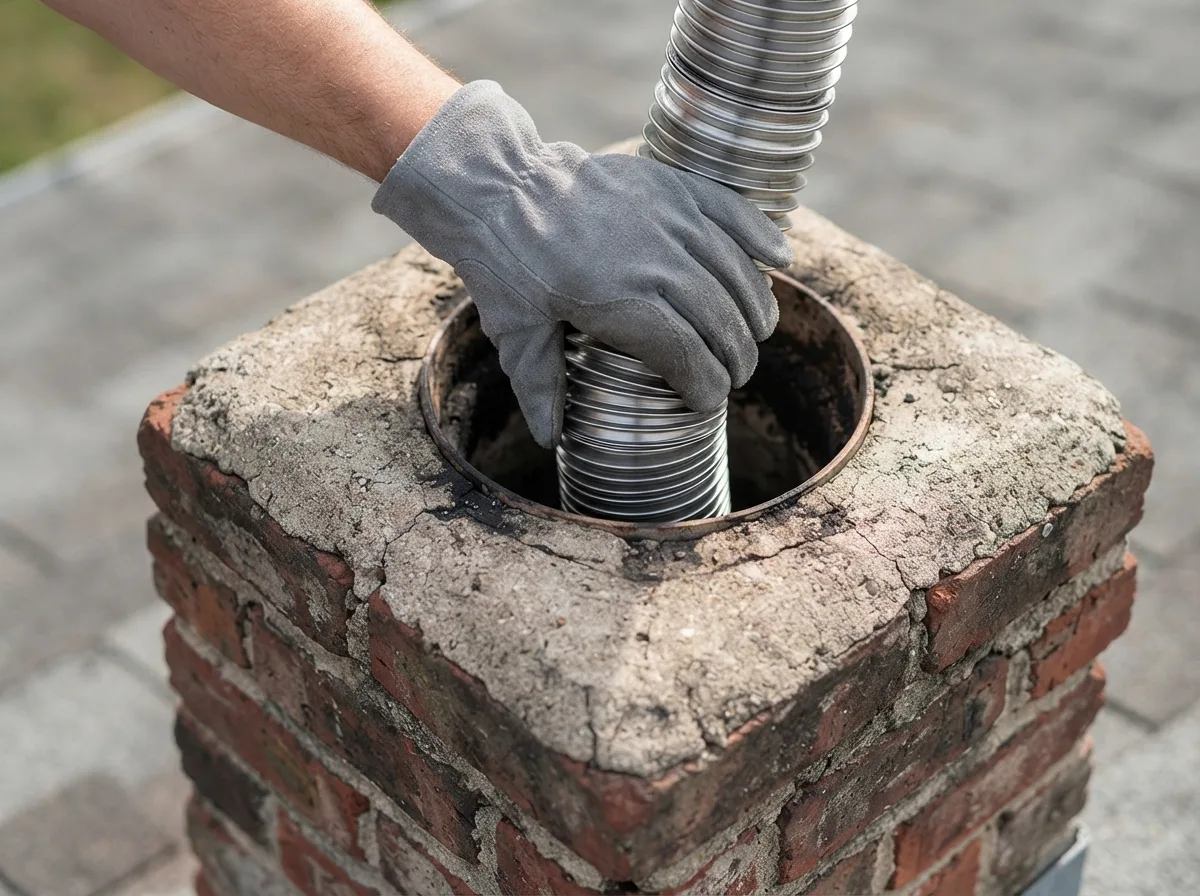
Install and secure the liner.
The new liner is fed through the flue and secured in place.
Seal to the smoke chamber.
The liner is sealed where it meets the smoke chamber, so there are no gaps.
Check the draft.
The technician confirms the chimney drafts correctly with the new liner installed.
Hand over documentation.
You receive written warranty documentation before the crew leaves.
Chimney Relining for Fort Worth Homes
Chimney Sweep Pro accounts for how Fort Worth homes are built when we reline your chimney.
Fairmount's Original Clay Tile Liners
Many chimneys in Fairmount are on century-old masonry homes still running on their original clay tile liners, which have often passed their typical service life and show cracking during inspection.
Fuel Conversions in Keller and North Richland Hills
In Keller and North Richland Hills, relining is more often driven by a fuel conversion or appliance upgrade on newer construction, rather than liner age.
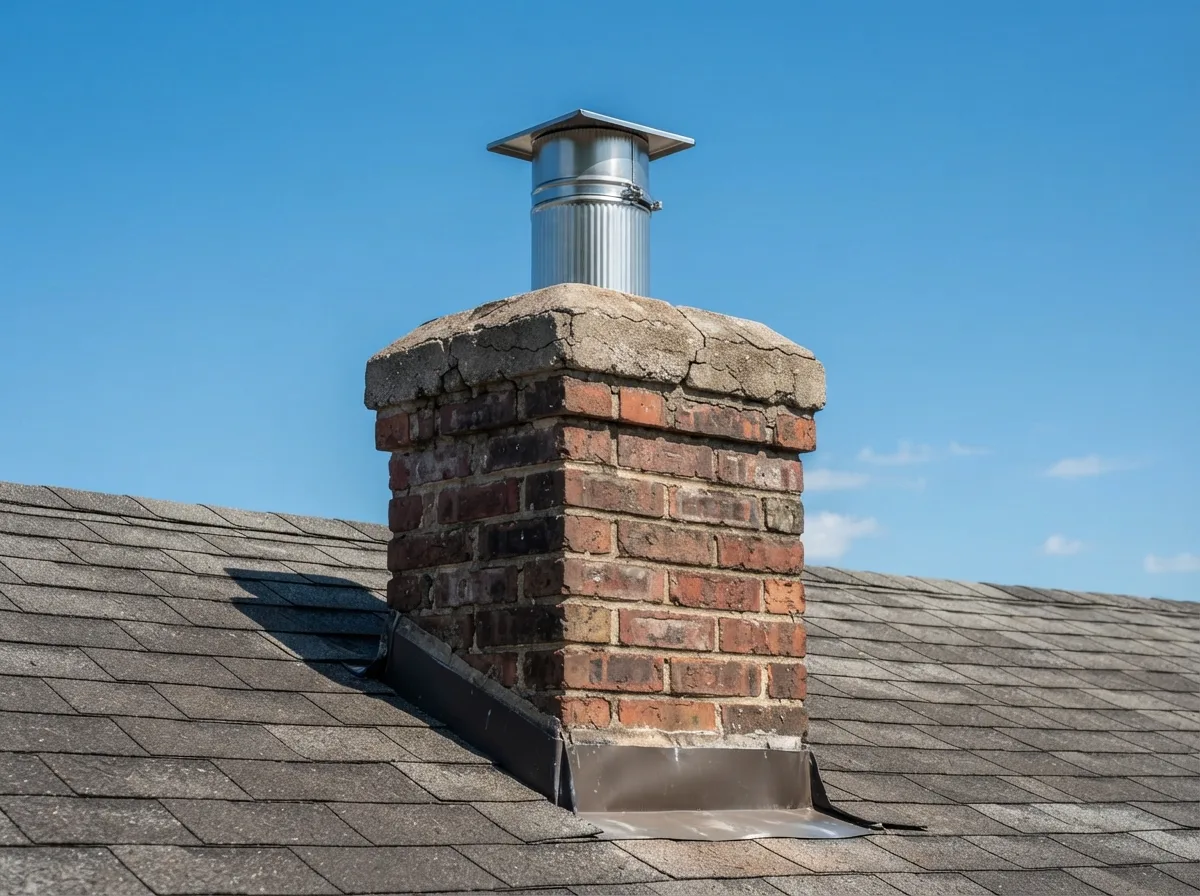
Chimney Sweep Pro relines chimneys throughout Fort Worth and the surrounding area.
Chimney Sweep Pro, 804 Mustang Dr, Saginaw, TX 76179, (682) 354-6644
See our chimney inspection page if you're not yet sure whether your liner needs replacing.
Chimney Relining FAQs for Fort Worth Homeowners
What does a chimney relining job from Chimney Sweep Pro include?
A relining job includes an inspection of your existing flue, a liner sized to your flue and fuel type, insulation where required, sealing to the smoke chamber, a draft check, and written warranty documentation. Most jobs are completed in a single visit.
How do you decide which liner type my chimney needs?
The technician inspects your flue for bends, offsets, or an out-of-round shape, since a flexible liner is needed to pass through those where a rigid liner can't. Your appliance's fuel type also determines the liner grade, confirmed on-site during the inspection. NFPA 211 sets the national standard for liner sizing and inspection.
What is the difference between a flexible and a rigid chimney liner?
A flexible liner can bend through offsets, elbows, and irregular flue shapes, which makes it the right choice for most existing masonry chimneys. A rigid liner is straight sectional pipe that only works in a flue running perfectly straight from top to bottom.
How long does a chimney relining installation take?
Most chimney relining jobs, including the flue inspection, are completed in a single visit. Call (682) 354-6644 to schedule yours.
How much does chimney relining cost in Fort Worth?
Chimney relining costs $950-$2,500 with Chimney Sweep Pro, based on your flue's height, liner diameter, and access. The technician confirms your exact price in writing after inspecting your flue.
Which Fort Worth-area neighborhoods do you serve for chimney relining?
We reline chimneys throughout Fort Worth, including Fairmount, Keller, and North Richland Hills, among other surrounding areas. Older masonry homes and newer construction often need relining for different reasons, which the flue inspection identifies.
What is the difference between a stainless steel and a clay tile chimney liner?
Stainless steel liners resist cracking and handle bends in the flue, while clay tile liners are rigid sections that can only be installed in a straight flue during original construction. A cracked clay tile liner is usually replaced with stainless steel rather than reinstalled as tile.
How long does a stainless steel chimney liner last?
A properly installed and maintained stainless steel chimney liner commonly lasts for decades, though the exact lifespan depends on usage, appliance type, and maintenance. Annual inspection catches early wear before it becomes a safety issue.
What are the signs my chimney needs relining?
Watch for visible cracks or flaking tile in the flue, smoke or odors backing up into the room, a chimney fire that may have damaged the liner, or an inspection report noting liner damage. Converting to a new fuel type or appliance is also a common reason to reline.
Why does chimney relining matter for gas and wood-burning appliances differently?
Wood-burning appliances commonly use a 316Ti stainless liner grade suited to solid-fuel combustion byproducts, while gas appliances commonly use 304 stainless, suited to the different byproducts gas combustion produces. Using the wrong grade or size for your appliance type can affect draft and safety.
How does chimney relining affect chimney fire risk?
A cracked or deteriorated liner lets heat and combustion byproducts reach the masonry and nearby framing directly, which raises fire risk. A liner already damaged by one chimney fire is more vulnerable in a future fire, since it's structurally weakened.
Chimney relining in Fort Worth starts with one call.
A damaged liner puts more than your chimney at risk the longer it goes unaddressed.