Bird in chimney removal in Fort Worth, TX
The nest comes out the right way, at the right time, and a cap keeps the next pair out.
to book a removal or to describe what you are hearing.
- CSIA Certified
- Licensed & Insured
- BBB Accredited
- NCSG Member
Signs Birds Are in Your Chimney
Chimney Sweep Pro removes the birds behind these signs and clears what they leave behind.
Chirping or Chattering
Chirping, chattering, or scratching from the flue is the most common sign that birds have moved in.
Smoke or Odor Backing Up
Smoke or odor backing into the room can mean the flue is blocked.
Nest Material or Droppings
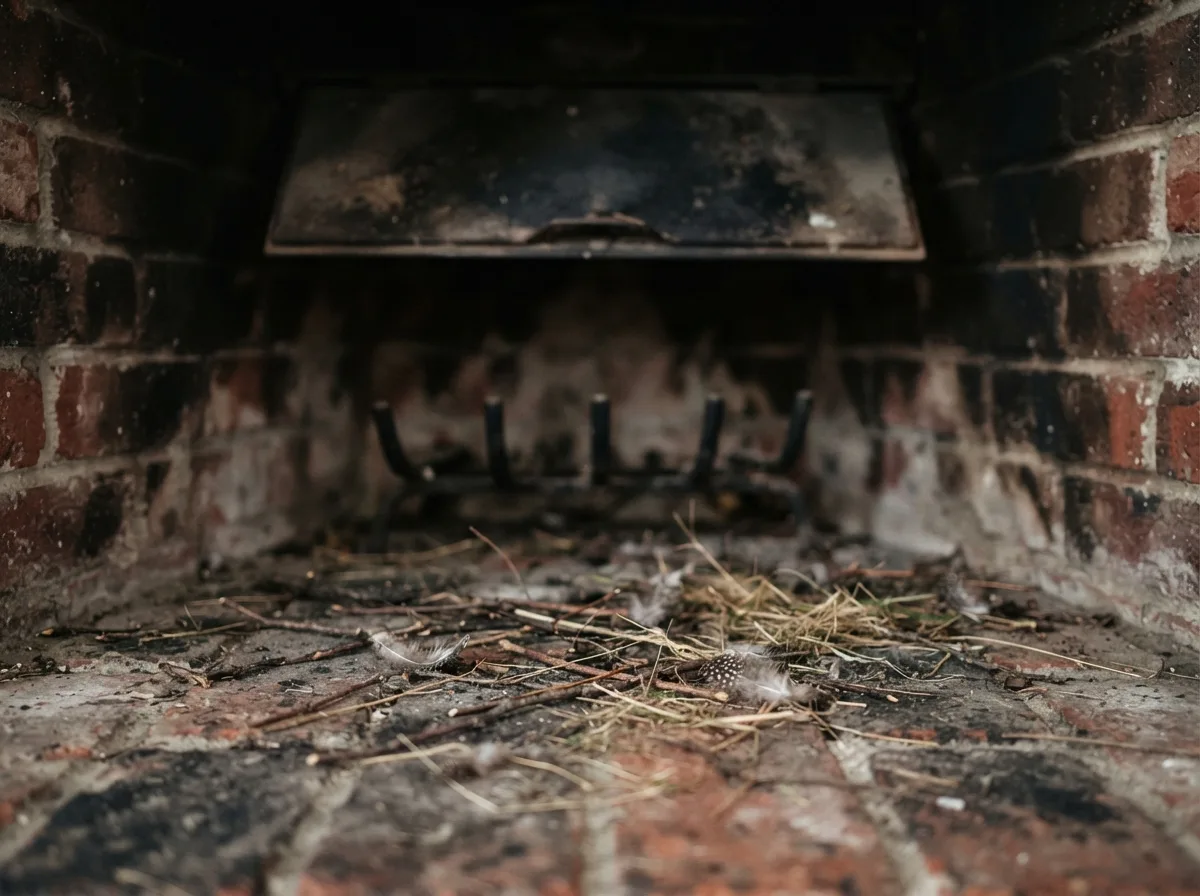
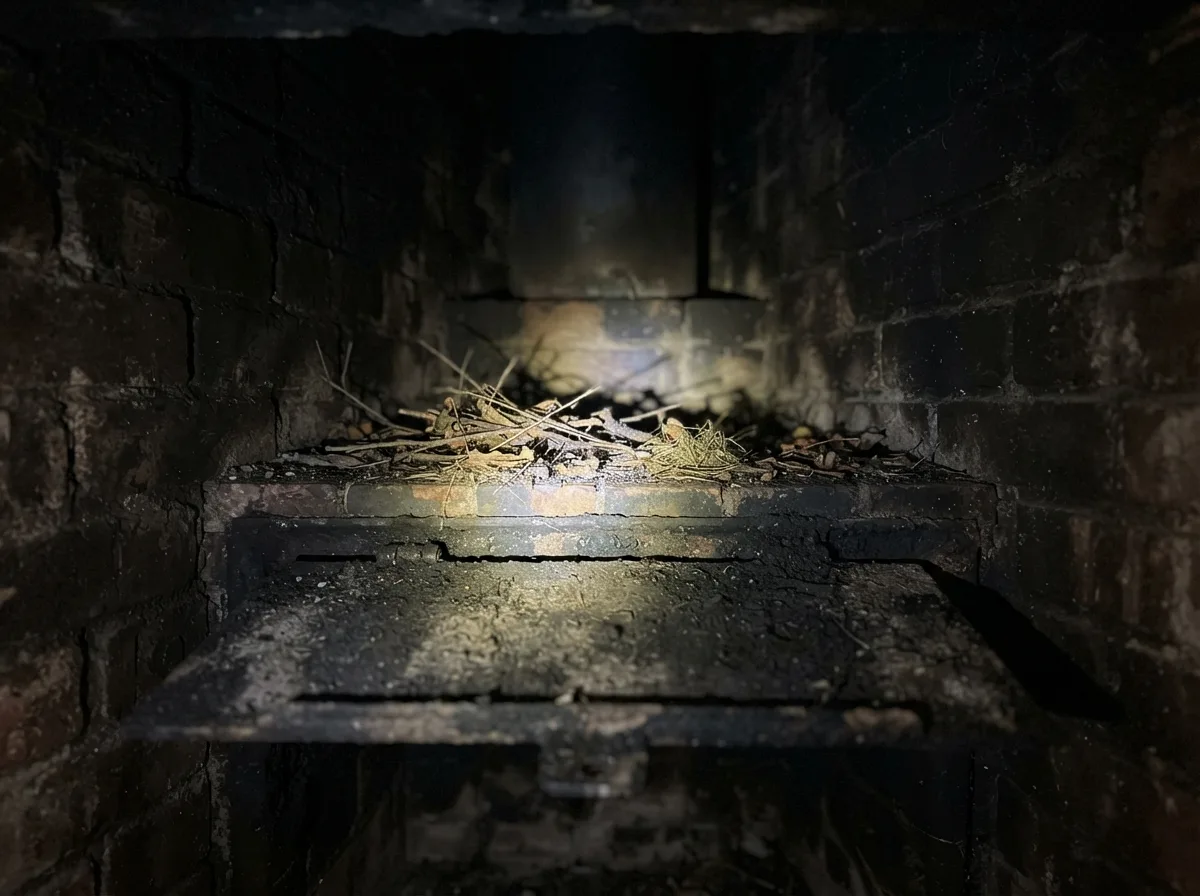
Nest material, twigs, or droppings in the firebox mean birds have been in the flue.
Debris Falling Into the Firebox
Debris falling into the firebox from above can mean a nest in the flue.
Strong Smell With Flies
A strong smell with flies points to a dead bird and needs attention first.
What Bird Removal From a Chimney Includes
Chimney Sweep Pro confirms the species and its legal status first, then removes the nest once it is legal.
Species and Legal-Status Check
We confirm the species and check its legal status before any removal begins.
Containment
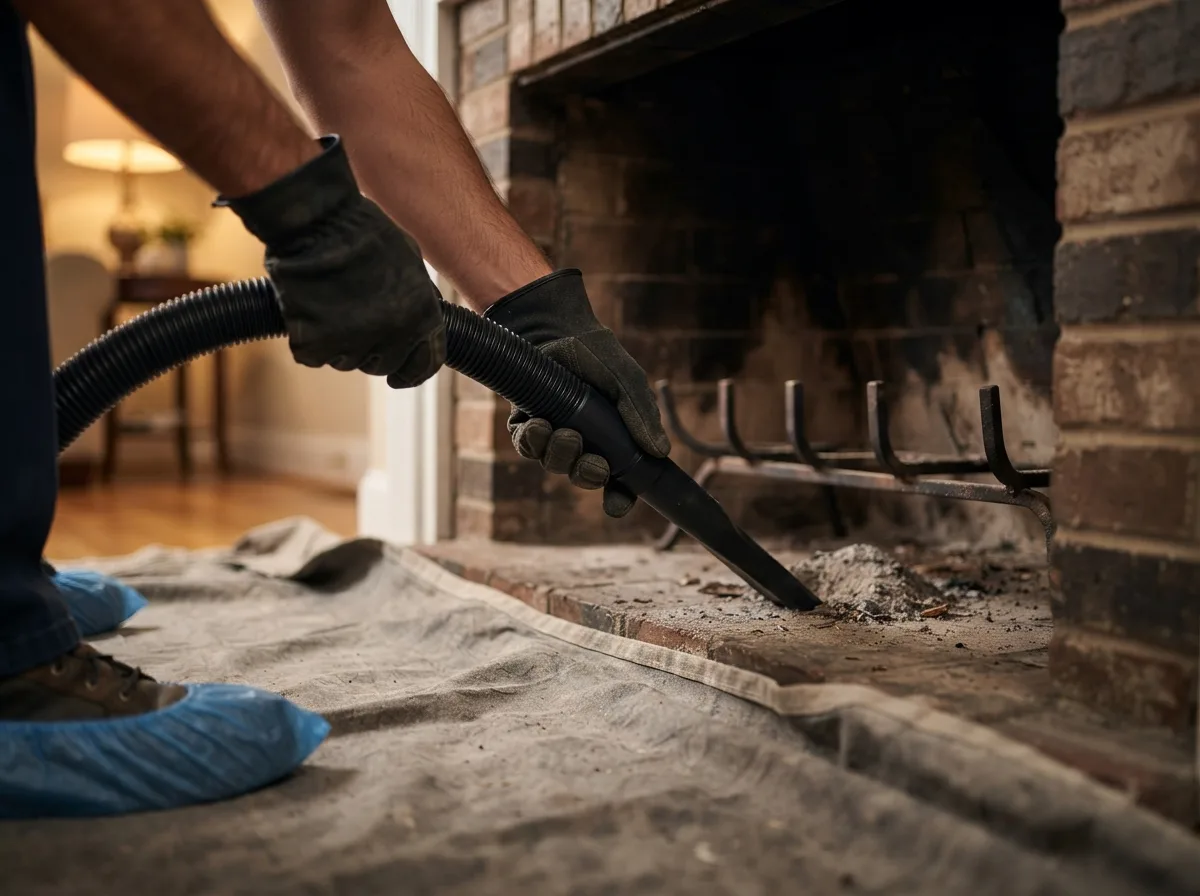
Drop cloths, shoe covers, and a HEPA-filtered vacuum protect your home.
Nest Removal, Once Legal
We remove the nest once it is legal to remove.
Droppings and Debris Cleared
We clear droppings and debris out of the flue.
Liner and Damper Check
We check the liner and damper for damage.
Written Report
You get a written report of what was found.
Bird removal takes the nest out of the flue and clears what the birds left behind. The flue is the passage that carries smoke out of the house. The smoke chamber is the sloped space above the firebox. Birds can reach all of it from the top if the chimney has no cap.
Flue cleaning and sanitizing, repairs, and a cap are each quoted before they are done.
Bird Removal Cost in Fort Worth
Bird removal costs $290-$600+ for the removal itself. Flue cleaning and sanitizing adds $150-$300.
Simple Removal
$290-$365
A small bird with a nest near the bottom of the flue.
Hard Removal
$500-$600+
A large or packed nest, deep in the flue.
Flue Cleaning and Sanitizing
$150-$300
Clearing nest debris and droppings and sanitizing the flue after removal.
- Nest size: a bigger nest means more material to clear.
- Depth in the flue: a nest deep in the flue makes a hard removal.
- Blockage: a flue packed with nest material takes longer to clear.
- Video scan: a deep nest may need a camera to find it.
- Cap or repairs: these are quoted separately. See chimney cap installation for cap pricing.
The technician locates the nest before quoting. The final price is given to you in writing before any work begins.
Is It a Chimney Swift or Another Bird?
The bird decides the timing and the method. This table shows what changes.
| Bird | Common Signs | What Changes |
|---|---|---|
| Chimney swift | Loud chattering from the flue, a blocked draft | Federally protected while nesting, so removal waits until the birds have left |
| Starling or other bird | Chirping, scratching, nest material in the firebox | The technician confirms the species and its legal status before anything is removed |
Other raccoon, squirrel, and bird questions each have a page: raccoon in chimney, squirrel in chimney removal, and our chimney animal removal page, which covers all of them.
An Active Nest or an Empty One?
An active nest has eggs or young in it. For chimney swifts, removing or disturbing an active nest, eggs, or young is illegal under the federal Migratory Bird Treaty Act, for homeowners and contractors alike. Other native migratory birds can be protected too. An empty nest, after the birds have left, can be cleared. The technician checks which one you have before scheduling. For more on nests, see bird nest in chimney.
When Should You Cap the Chimney?
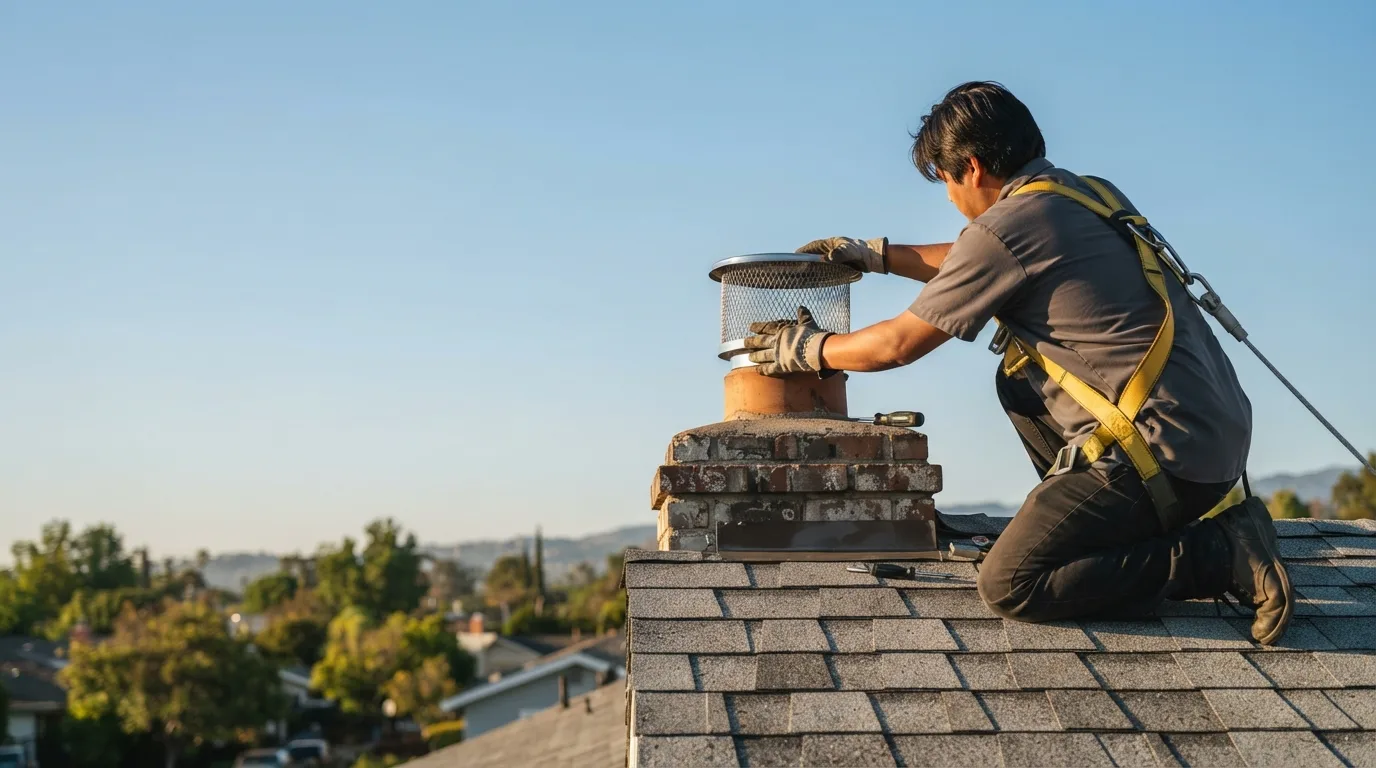
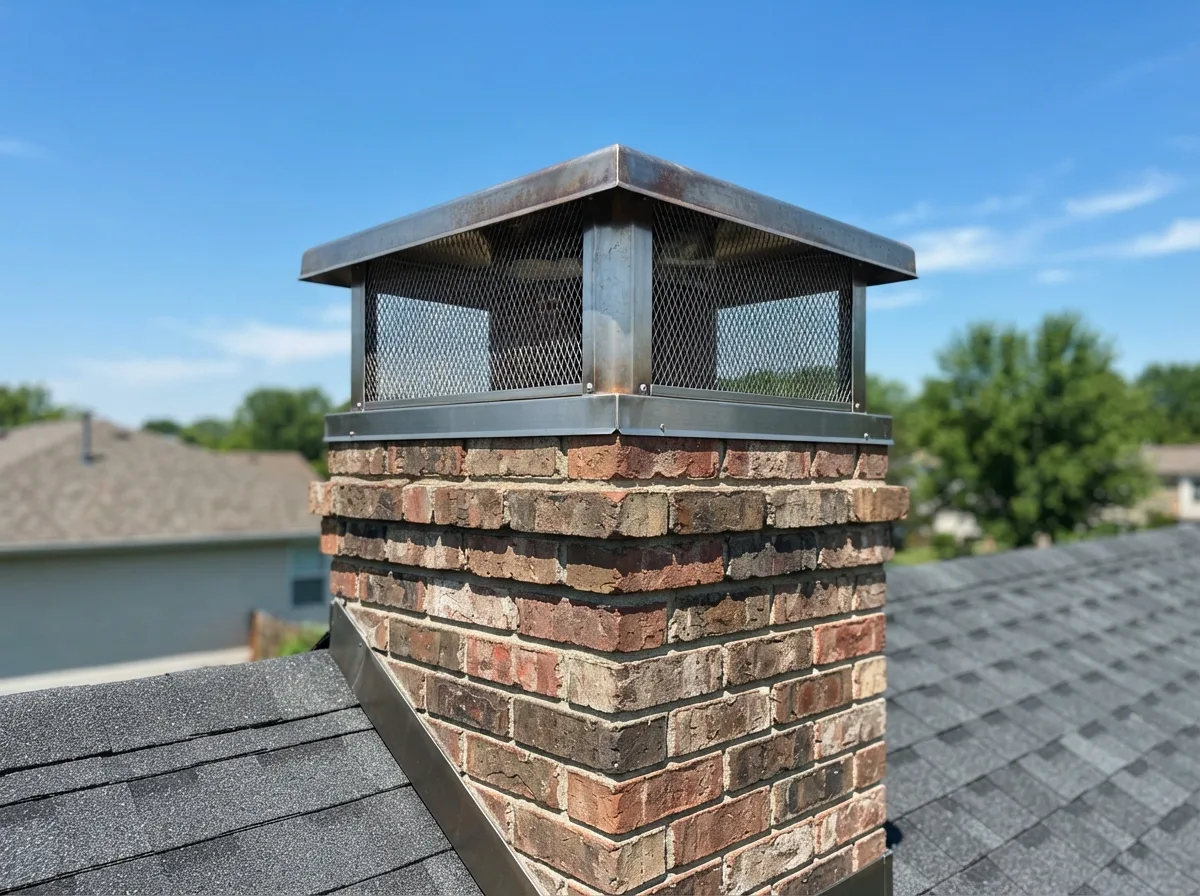
Fit the cap after the birds have left and before they return in spring. A cap fitted too early could trap birds or disturb a nest, so it waits. A chimney with a metal liner needs a cap so birds can't get trapped inside. See chimney cap installation.
Remove Now or Wait?
Chimney swifts are protected while they nest, so removal waits until the birds have left, and the fireplace stays out of use until then. Other birds are handled sooner, once the technician confirms the species. A blocked flue can keep smoke from venting, and carbon monoxide can reach your living space.
Nest material piles up and the draft stays blocked. A nest left in the flue is a fire hazard when you light the fireplace.
Now:
A dead-bird smell, smoke backing into the room, or a bird inside the house. If there is smoke or a carbon monoxide alarm, get everyone out and call 911.
Soon:
Chirping or scratching from the flue, or a draft that has started to smoke.
Wait for the Birds:
Chimney swifts in an active nest. Removal waits until they leave.
Keep the damper closed and do not light a fire. Do not try to smoke the birds out. If a bird is already in the firebox or the room, see bird stuck in chimney.
Removing birds or a nest yourself is not a reasonable DIY job. Chimney swifts and some other birds are protected by federal law, and a nest left in the flue is a fire hazard.
Some homeowners policies cover damage an animal causes inside a chimney or attic. Removal and cleanup usually are not covered. Check your policy or ask your agent.
Hear birds in your chimney?
The technician identifies the birds first, then gives you the final price in writing before any work begins.
How a Bird Removal Visit Works
Identify the species.
The technician confirms what is nesting in the chimney and checks its legal status.
Set up containment.
Drop cloths, shoe covers, and a HEPA-filtered vacuum protect your home.
Remove the nest, once it is legal.
The nest comes out when the species is confirmed and the birds have left. A protected swift nest waits.
Clear droppings and debris.
All nest material and droppings are removed from the flue and smoke chamber.
Check the liner and damper.
The technician looks for damage the birds caused. If the liner is damaged, see our chimney relining page.
Quote the next steps.
Flue cleaning, sanitizing, a cap, and any repairs are priced in writing.
Deliver the written report.
You get a record of what was found and what was done.
Bird Removal Across Fort Worth and Nearby Cities
Chimney Sweep Pro is based at 804 Mustang Dr, Saginaw, TX 76179, and removes birds and nests from chimneys in Fort Worth, Keller, Mansfield, Southlake, Arlington, Benbrook, North Richland Hills, Burleson, Haltom City, Saginaw, and Weatherford.
Chimney Sweep Pro, 804 Mustang Dr, Saginaw, TX 76179, (682) 354-6644
See our chimney sweep services for our full range of chimney work.
Bird in Chimney Removal FAQs for Fort Worth Homeowners
What sets Chimney Sweep Pro's bird removal from a chimney apart?
We confirm the species and its legal status before anything is removed, because chimney swifts are protected while they nest. We then handle the chimney itself: nest debris, droppings, a liner and damper check, and a cap quote, so one company covers the birds and the flue.
How do you check whether a bird nest can be removed?
The technician identifies the bird first, since chimney swifts and some other native birds are protected under federal law while nesting. If the nest is active, with eggs or young, it stays until the birds leave. An empty nest or an unprotected species can be cleared.
What does bird removal from a chimney include?
Each visit starts with confirming the species and its legal status, then setting up containment with drop cloths, shoe covers, and a HEPA-filtered vacuum. We remove the nest when it is legal, clear droppings and debris, check the liner and damper, and give you a written report.
How long does bird removal from a chimney take?
Once the nest can legally be removed, the job is often finished in a single visit. A protected chimney swift nest is the exception, since removal waits until the birds have left. The technician gives you a timeline after identifying the species. Call (682) 354-6644 to describe what you hear.
How much does bird removal from a chimney cost in Fort Worth?
Removal costs $290-$365 for a simple job, such as a small bird with a nest near the bottom of the flue. A packed or deep nest is a hard removal at $500-$600+. Flue cleaning and sanitizing adds $150-$300. The final price is given in writing before work begins. Call (682) 354-6644 to book.
Which Fort Worth-area cities do you serve for bird removal?
We remove birds and nests from chimneys in Fort Worth, Keller, Mansfield, Southlake, Arlington, Benbrook, North Richland Hills, Burleson, Haltom City, Saginaw, and Weatherford. The method and the pricing tiers are the same in each city. Ask when you call if your city is not listed.
How do I tell whether the birds in my chimney are chimney swifts?
Chimney swifts are small, gray, cigar-shaped birds that make loud chattering from the flue, and they nest in spring and summer. Other birds can sound similar, and nests can look alike, so sight and sound alone are unreliable. The technician confirms the species before any removal. The Cornell Lab's chimney swift overview covers their look and sound in more detail.
What should I do if I hear chirping in my chimney?
Keep the damper closed, do not light a fire, and do not try to smoke the birds out. Chirping in spring or summer can come from chimney swifts, which are federally protected while nesting. Call a chimney specialist to identify the birds before anything is removed. Call (682) 354-6644.
How do I stop birds from nesting in my chimney again?
Have a cap fitted over the flue opening after the birds have left and before they return in spring. Mesh screening keeps birds out, and a chimney with a metal liner especially needs one so birds can't get trapped inside. See chimney cap installation for how caps are sized and priced.
Why is it illegal to remove a chimney swift nest?
Chimney swifts are protected by the federal Migratory Bird Treaty Act, which makes it illegal to remove or disturb the birds, their nests, eggs, or young during the breeding season. The law applies to homeowners and contractors alike. Texas Parks and Wildlife explains this for homeowners and chimney sweeps.
Bird removal in Fort Worth starts with one call.
A nest left in the flue gets more dangerous every time the fireplace is lit.