
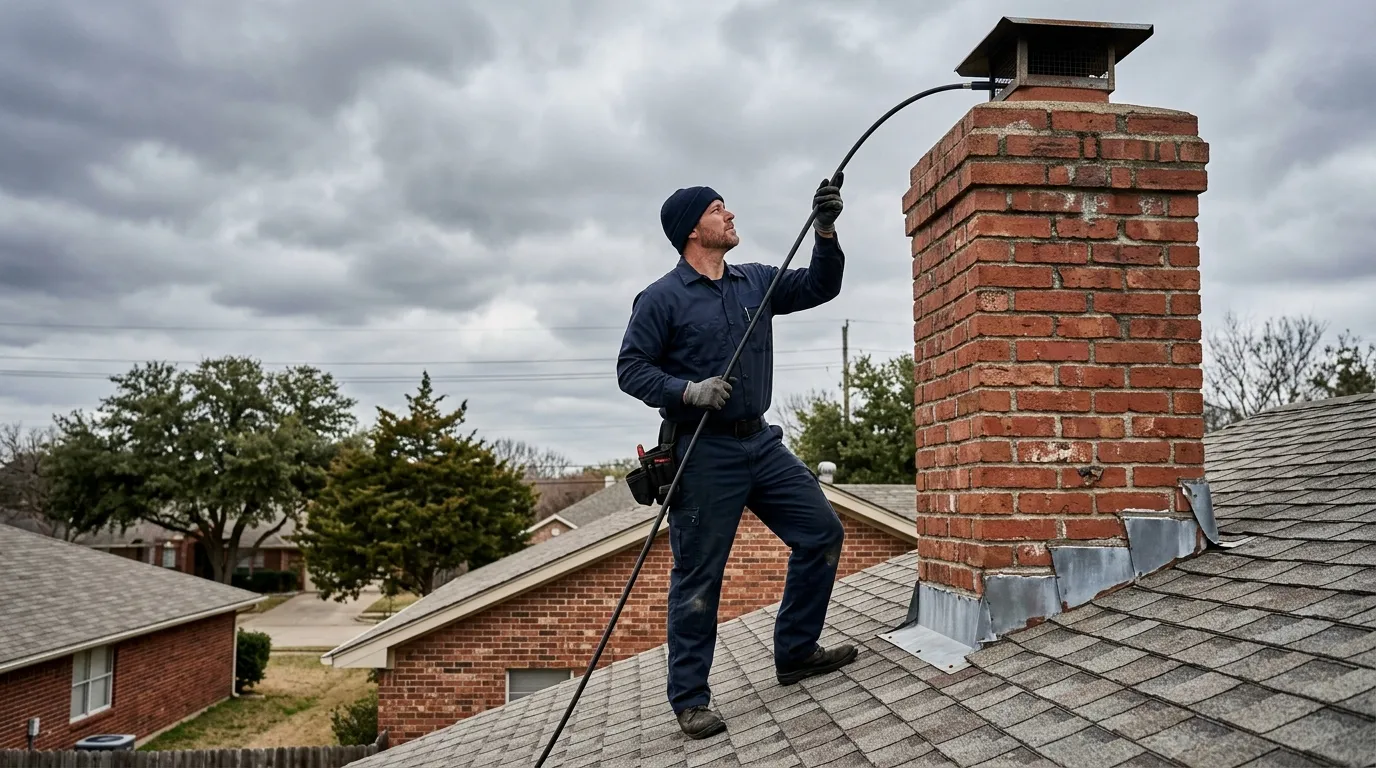
A bird nest in a Fort Worth chimney doesn’t always mean you can remove it today. Chimney swifts are one of the most common birds nesting in North Texas chimneys. They’re protected under federal law while nesting. Disturbing that nest is a federal offense, not just a bad idea.
This page covers four things. How to tell which bird you have. When removal is actually legal. Why a nest is more than a noise problem. What happens during a professional removal visit.
Whether you can remove a bird nest depends on the species. Chimney swifts are protected under the federal Migratory Bird Treaty Act. You can’t legally disturb their nest while they’re nesting, typically April through October. Nests from house sparrows, European starlings, or pigeons aren’t protected. Those can be removed once nesting activity has ended.
Signs You Have a Bird Nest in Your Chimney
Most homeowners notice the same three things. Chirping or scratching above the damper. Twigs or grass falling into the firebox. A musty smell from the fireplace, even when it hasn’t been used.
The sound is usually loudest at dawn and dusk. That’s when adult birds fly in and out to feed chicks. If you hear activity but can’t see anything from the firebox, the nest is likely on the smoke shelf. That’s the ledge just above the damper. A flashlight aimed up from the fireplace opening won’t reach it.
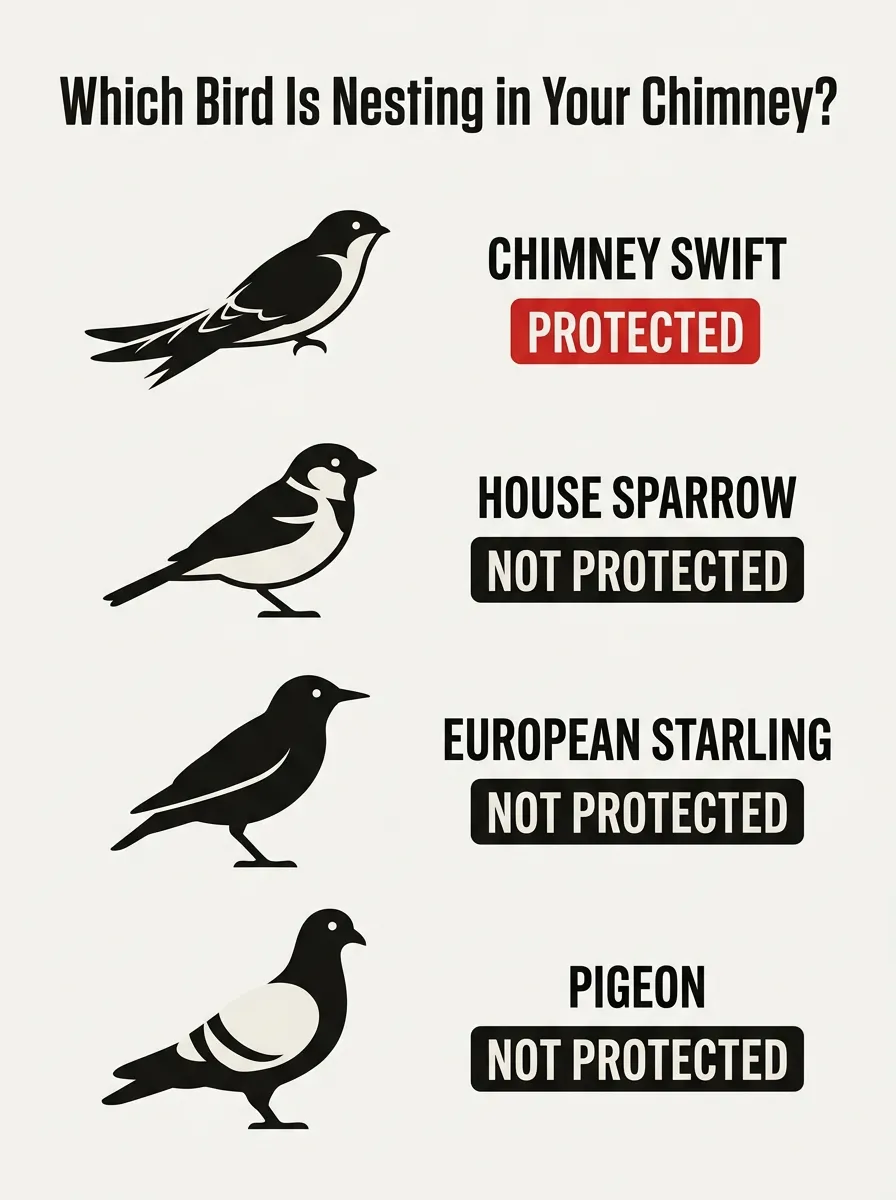
Which Bird Is Nesting in Your Chimney?
The species determines your legal options. Identifying it correctly matters more than moving fast.
| Species | How to identify | Legal status |
|---|---|---|
| Chimney swift | Small, dark gray, cigar-shaped body; enters the chimney in a tight spiraling dive at dusk; rapid, high-pitched chattering call | Protected — active nest can’t be removed |
| House sparrow | Small, brown-streaked; perches openly on the crown; active during the day | Not protected |
| European starling | Iridescent black, often in small groups; active during the day | Not protected |
| Pigeon | Large, gray; distinct cooing call; active during the day | Not protected |
Chimney swifts stand out for a reason. The Cornell Lab’s chimney swift overview notes they nest exclusively inside vertical shafts like chimneys. They can’t perch on a flat surface the way the other three can. That’s also why their nest looks different. It’s small and glued directly to the flue wall with saliva. Sparrows, starlings, and pigeons build bulkier, loosely piled nests instead.
Is It Legal to Remove a Bird Nest From a Chimney in Fort Worth?
For a chimney swift, no. Not while the nest is active. The Migratory Bird Treaty Act is a federal law protecting migratory birds. It makes it illegal to remove or disturb a protected species’ active nest, eggs, or young. A misdemeanor violation carries a fine of up to $15,000.
That applies to homeowners and to any contractor hired to do the work. A company offering to remove an active chimney swift nest during nesting season is offering to break federal law on your behalf.
House sparrows, European starlings, and pigeons aren’t covered by the Act. Once nesting activity for these species has ended, removal can proceed. There’s no waiting period.
When Chimney Swifts Nest in North Texas
| Timing | What’s happening | What you can do |
|---|---|---|
| March | Swifts begin scouting for nest sites | Last window to cap an open chimney before they arrive |
| April–October | Active nesting; a full cycle runs about six weeks | Monitor only — removal isn’t legal |
| November–February | Swifts have migrated south | Nest removal, flue sweeping, and cap installation are all legal |
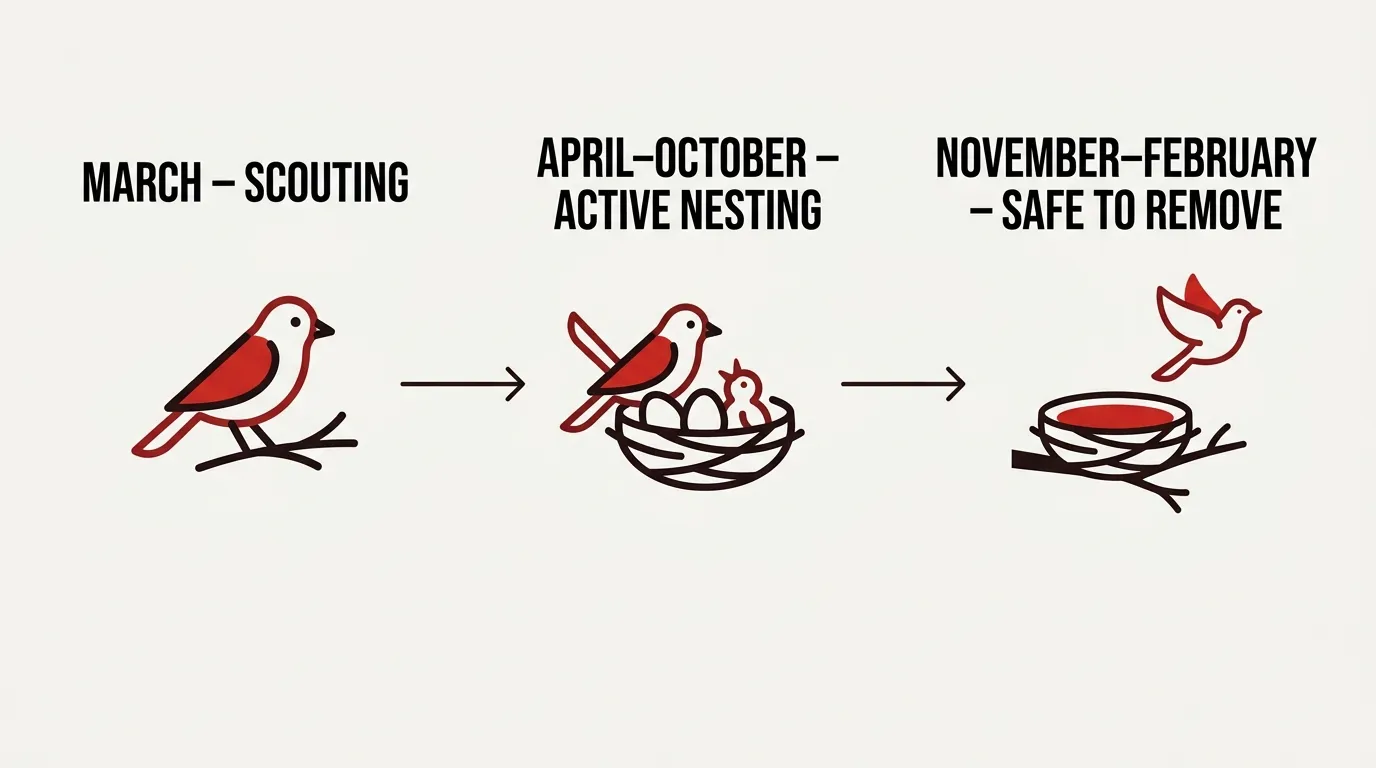
That off-season window lines up with when most Fort Worth homeowners aren’t running their fireplace yet. That works in your favor. You’re not choosing between a clear flue and a warm house.
Why a Bird Nest in the Chimney Is a Safety Risk
Fire. Twigs, grass, and feathers are dry and combustible. A single ember from a fire lit below a nest can ignite it. This applies even to a nest left over from a prior season. Don’t run the fireplace until the flue is confirmed clear.
Carbon monoxide. A nest large enough to block the flue keeps combustion gases from venting outside. In older Fort Worth homes with gas fireplaces or a shared flue, that blockage can push carbon monoxide back into the house. There’s no smell and no visible warning. A working CO detector is the only way you’d know.
Health. Bird droppings in an old nest can carry Histoplasma capsulatum. This fungus causes histoplasmosis when disturbed dust gets inhaled. Nests left over from previous seasons can also carry mites. Neither is something you want stirred up by hand.
Why DIY Removal Isn’t a Good Idea
There’s the histoplasmosis and mite exposure above. There’s also the legal risk. Misidentifying a chimney swift nest as a sparrow’s and pulling it yourself is exactly the scenario the Migratory Bird Treaty Act penalizes. Add roof access without fall protection, and a job that looks like ten minutes with a flashlight turns into a health, safety, and legal problem in one move. A flue camera confirms the species and nesting status before anyone touches the flue.
What Professional Bird Nest Removal Involves
A CSIA-certified technician handles this in a specific order. First, confirm the species and nesting status with a flue camera. Then set up HEPA containment to keep soot and droppings out of the living space. Remove the nesting material from the flue and smoke shelf. Sweep the chimney to clear the soot and creosote the nest disturbed. Inspect the accessible components for damage the nest may have caused.
Most of that happens in a single visit, once the timing is legal.
Stopping Birds From Nesting Again
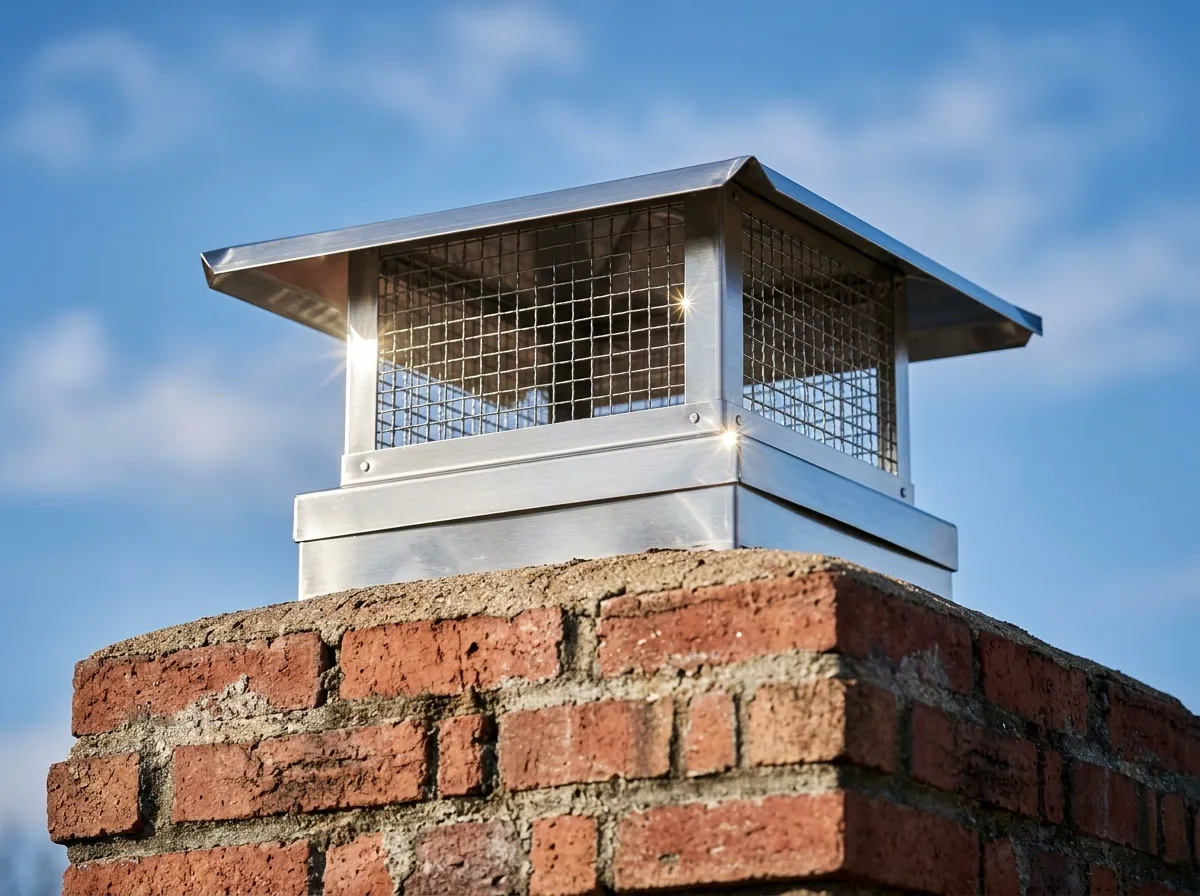
A properly fitted stainless steel chimney cap is the only reliable fix. It blocks the opening physically while still letting smoke vent. It’s most effective installed between November and February. That’s after the current season’s nest is gone and before swifts start scouting again in March. Chimney Sweep Pro installs the cap on the same visit as the nest removal. The chimney isn’t left open between the two steps.
What to Do Right Now If You Suspect a Nest
Don’t light a fire if you’re hearing activity but haven’t confirmed the species. Don’t try to flush the birds out with smoke or noise, either. Heat can kill chicks that can’t yet fly. You could also still be dealing with a protected nest.
Close the damper if the sound is bothering you, then wait for an inspection. This is different from a single bird that’s flown in and is trapped and panicking inside the firebox. That’s its own situation. See what to do if a bird is stuck in your chimney for that case.
Bird Nests in Fort Worth’s Older Chimneys
Masonry chimneys built before 1970 account for a disproportionate share of the nesting calls Chimney Sweep Pro gets. Older mortar joints and worn crowns give birds more places to grip and enter than a newer, better-sealed chimney does.
That pattern shows up most in neighborhoods with a lot of pre-1970 masonry housing stock. Fairmount, Ryan Place, Mistletoe Heights, Berkeley Place, Ridglea Hills, Westcliff, Near Southside, and the TCU area all fit that profile. If your home falls into that bracket, an uncapped chimney is worth checking before nesting season opens in March.
When to Call a Professional
Call as soon as you suspect a nest, even during the protected season. An inspection confirms the species and timing without disturbing anything. That way you know exactly when you can act, instead of guessing.
Chimney Sweep Pro serves Fort Worth and Tarrant County. See bird in chimney removal for the full service, or chimney animal removal if you’re dealing with more than birds. Call (877) 203-8193.